Coral trout show cross-species collaboration with moray eels.

“Now it seems the fish are surprisingly picky about when they ask for that help – and which eels to approach. The trout show a level of discrimination in when to collaborate, and with whom, that was thought to be unique to the likes of humans and chimpanzees.”

http://www.newscientist.com/article/dn26173-zoologger-fish-that-picks-its-work-partners-wisely.html#.VA8Zddkayc2


Yours sincerely,

Dr Richmond Loh
DipProjMgt, BSc, BVMS, MPhil (Pathology) Murdoch, MANZCVS (Aquatics& Pathobiology), CertAqV, CMAVA, NATA Signatory.
THE FISH VET, Perth, Western Australia.
Veterinary Medicine for fish.
W: http://www.thefishvet.com.au
E: thefishvet
P: +61 (0)421 822 383

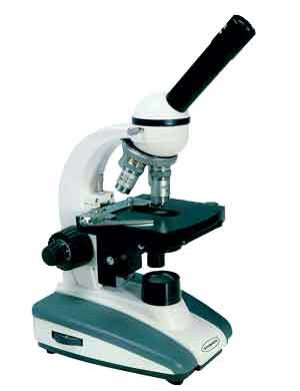
Diagnosing fish diseases using air-dried, unstained slides.

Air dried smears are not exactly the best sample for making a diagnosis, but it can work, especially if there are numerous external parasites and that the smears are prepared correctly.

It’s ideal in situations where the remote site is without a microscope, or someone who knows how to use one, or knows what to look for. The slides can be prepared easily and sent by post to your nearest fish veterinarian to make a diagnosis.

To prepare the smears, simply follow the steps as per taking gill biopsies and skin mucus scrapes, and then smear these onto the glass slide. Do not add any water. Wave the slides in the air until dry.

Check out how the slides are examined and what you can see: http://youtu.be/ghLjcVJgyPA

For added diagnostic advantage, the commonly used Diff Quik stain can be applied to the smears.

Learn more about Fish Vetting Techniques and Practical Tips in the newly released DVD, available only from the online shop at https://thefishvet.com.au/shop/shopping.html

IMG_5506.JPG

Follow me on: Facebook "Fin Page"YouTubeBlogLinkedinTwitter


Yours sincerely,

Dr Richmond Loh DipProjMgt, BSc, BVMS, MPhil (Pathology), MANZCVS (Aquatics & Pathobiology), CertAqV, CMAVA, NATA Signatory.
Aquatic Veterinarian | Adjunct Lecturer Murdoch University | President WAVMA |
Secretary Aquatic Animal Health Chapter – ANZCVS.
THE FISH VET, Perth, Western Australia, AUSTRALIA. Mobile Aquatic Veterinary Medical & Diagnostic Services.
http://www.thefishvet.com.au
Ph: +61 (0)421 822 383
Skype: thefishvet

Looking for more books? Check out this site.

The Fish Vet - Perth, WAwavma.jpg?w=780

Free webinar – Diseases of barramundi (Asian seabass) – developing good disease management strategies.

IMG_4985.JPG

Join us for a webinar B-1005 – WAVMA WebCEPD: Diseases of barramundi (Asian seabass) – developing good disease management strategies

Time: Oct 13, 2014 9:00 PM AWST (check your local time here: http://tinyurl.com/ou3vaz6)

Suitable for veterinarians and other technical personnel at all levels in the production chain who manage fish health, this webinar will cover significant diseases commonly encountered in the barramundi culture, and the principles behind sound disease investigations. It will establish some baseline information for understanding of the dynamics behind disease occurence on a farm that is necessary for implementing fish disease management plans.

Specific learning objectives include:
1. Understanding the general principles and techniques behind sound fish disease investigations;
2. Becoming familiar with common and significant diseases of barramundi; and,
3. Understanding how a disease affects the fish, and how this translates to successful disease management program.

Speaker: Dr Susan Gibson-Kueh, BVSc, MSc (Aquatic Vet. Studies), PhD (Fish Pathology).

NOTE: this webinar will be recorded. If you register for the live webinar and are unable to attend, you will be sent a link to view the webinar at a later time.

Want CEPD credit?
Registration is required. After viewing the webinar and a successfully completing a brief KSA (knowledge & skills assessment) veterinarians, veterinary students and veterinary technicians/nurses can earn up to 1.5 hrs of CEPD credit. Details will be sent to all who register.

Register now for this free live WAVMA WebCEPD webinar: https://attendee.gotowebinar.com/register/6483172817892681217

After registering, you will receive a confirmation email containing information about joining the webinar.

View System Requirements

Follow me on: Facebook "Fin Page"YouTubeBlogLinkedinTwitter


Yours sincerely,

Dr Richmond Loh DipProjMgt, BSc, BVMS, MPhil (Pathology), MANZCVS (Aquatics & Pathobiology), CertAqV, CMAVA, NATA Signatory.
Aquatic Veterinarian | Adjunct Lecturer Murdoch University | President WAVMA |
Secretary Aquatic Animal Health Chapter – ANZCVS.
THE FISH VET, Perth, Western Australia, AUSTRALIA. Mobile Aquatic Veterinary Medical & Diagnostic Services.
http://www.thefishvet.com.au
Ph: +61 (0)421 822 383
Skype: thefishvet

Looking for more books? Check out this site.

The Fish Vet - Perth, WAwavma.jpg?w=780

How important is aquaculture for feeding the world? Projections.

From: “Dr. David Scarfe”
Date: 19 September 2014 6:05:12 AWST
Subject: AquaVetMed e-News: Aquaculture feeding the world in 2030

September 17, 2014
Aquaculture considered key to feeding the world in 2030

During the II International Scientific Symposium for Innovation in Marine and Food Industry that opened in Vigo, Spain the director of the Economy and Fisheries Policy of the United Nations Food and Agriculture Organization (FAO), Lahsen Adabouch, stated the development of the aquaculture industry and an increased use of resources are two key elements given the higher global demand for seafood. According to a study carried out by the FAO, the World Bank and several scientific institutions, in 2030 aquaculture will provide nearly two-thirds of the global fish consumption, compared to the 51 per cent it currently represents. Adabouch also noted that 29 per cent of fishing grounds worldwide are overexploited so the sector faces huge losses amounting to USD 50,000 million. “Asia encompasses 91 per cent of global aquaculture production [China alone accounts for 61 per cent] so the scope for growth of the industry in other parts of the world is large”

Other future challenges include a boost of offshore aquaculture and improvement of feed quality as micronutrients intake. Adabouch suggested that postharvest losses are greater than those produced with the discards of species having little commercial interest. According to the investigation, about 1,300 million tonnes per year are thrown away because of consumers’ fault or due to deficiencies during storage. Therefore, it is important to “harmonize” and simplify ecolabelling in order to avoid misleading consumers.

During the opening ceremony of the scientific symposium, the Spanish Secretary of Science, Technology and Innovation, María Luisa Poncela, emphasized the “strength” of the Spanish food sector and the development of the associated technological research. However, she admitted that one of its “major weaknesses” is a “high fragmentation” in the productive sector, with “many very small businesses.” For his part, the President of the Xunta de Galicia, Alberto Núñez Feijoo, stated the added value that the research will provide will be “decisive” for the sea-industry complex to maintain its competitiveness and market quotas in a market increasingly globalized, EFEagency reports.

To the Galician President, the future strategy should combine growth with job creation and the boost of, environmentally friendly sustainable industry; and make a “clear commitment” for aquaculture. According to Nuñez Feijoo, it is necessary for third countries’ administrations to commit to practices that regulate and require full food producers and processors guarantees. Meanwhile, the president of the National Association of Manufacturers of Canned Fish and Shellfish (ANFACO-CECOPESCA), Jesus Alonso Escurís, recognized that the achievement of “traceability” is the biggest challenge to ensure food security.

___________________________
AquaVetMed e-News provides information to veterinary and veterinary-allied subscribers concerning aquatic animal medicine, health, welfare, public health and seafood safety, obtained from a variety of sources (largely AquaVetMed subscribers). While provided by the American Veterinary Medical Association’s, Aquatic Veterinary Medicine Committee and are for public distribution, they do not necessarily reflect the opinion of the AVMA or the veterinary profession. See the AVMA Terms of Use (http://tinyurl.com/29h2rf) for further information.

Subscription and Contributions: Interested veterinarians and veterinary-allied professionals can subscribe, unsubscribe, or contribute pertinent news or information, by sending a message with “For AquaVetMed -” and the topic in the subject line, to dscarfe@avma.org. If e-News information is used elsewhere please acknowledge AquaVetMed as the source. Encourage individuals to subscribe rather than distribute through list serves.

Note: Undelivered e-mails will not be resent; Subscribers will be deleted from the list after repeated undelivered or bounced messages and will have to re-subscribe. Messages may contain attachments that will have been scanned for known viruses.

Visit our website: http://www.avma.org
________________________________
An aquarium vet job.

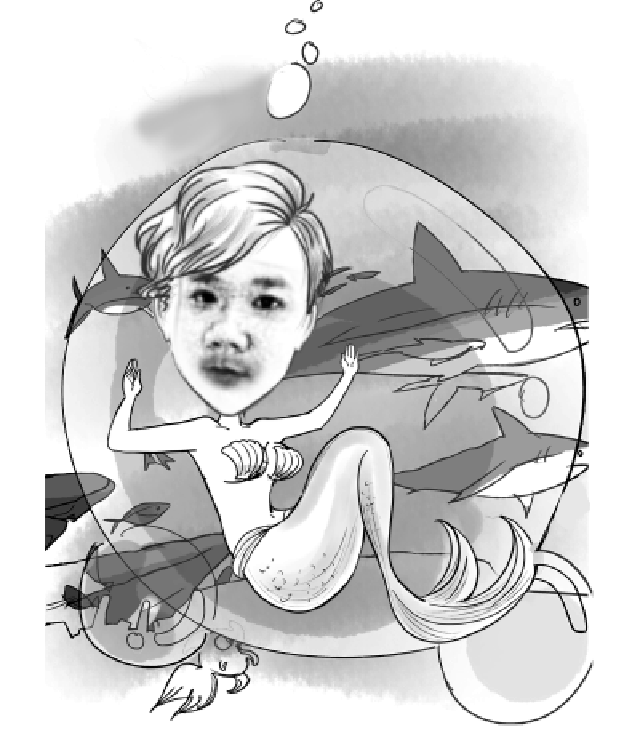
This looks like it’d be the dream job for fish vets. See below.

From: “Dr. David Scarfe”
Date: 17 September 2014 6:49:39 AWST
Subject: AquaVetMed e-News: Associate Veterinarian Position Available – Georgia Aquarium, Atlanta, USA

September 16, 2014
Associate Veterinarian Position Available – Georgia Aquarium, Atlanta, USA

The Georgia Aquarium is seeking applicants for an associate veterinarian. This individual will report directly to the Director of Animal Health. Compensation for this position includes a competitive salary and full benefits, including support of continuing education.

The successful candidate will have the following qualifications:
· DVM or VMD degree from an AVMA accredited college or is ECFVG certified
· A Georgia veterinary license or the ability to obtain one within 3 months
· Minimum of 3 years of experience with full time practice in aquatic animal medicine; ACZM diplomat status preferred
· Strong leadership skills; previous experience supervising/mentoring staff, volunteers and/or students preferred
· Willingness to participate in gross and clinical pathology procedures
· Willingness to participate in scientific studies and clinical projects
· Above average ability to organize, manage time and set priorities while meeting deadlines
· Effective problem analysis and resolution skills and the ability to be flexible and shift priorities to meet needs
· Ability to maintain a high level of professionalism, integrity and confidentiality
· Superior verbal and written communication skill

To see more information about this position go to http://tinyurl.com/nash39x.

The following application materials should be submitted electronically to Tonya Clauss (tclauss@georgiaaquarium.org) by 15 October 2014:
· a curriculum vitae or resume
· a letter of intent reflecting the applicant’s goals in the area of aquatic animal medicine
· 3 letters of recommendation, two of which should be written by veterinarians

___________________________
AquaVetMed e-News provides information to veterinary and veterinary-allied subscribers concerning aquatic animal medicine, health, welfare, public health and seafood safety, obtained from a variety of sources (largely AquaVetMed subscribers). While provided by the American Veterinary Medical Association’s, Aquatic Veterinary Medicine Committee and are for public distribution, they do not necessarily reflect the opinion of the AVMA or the veterinary profession. See the AVMA Terms of Use (http://tinyurl.com/29h2rf) for further information.

Subscription and Contributions: Interested veterinarians and veterinary-allied professionals can subscribe, unsubscribe, or contribute pertinent news or information, by sending a message with “For AquaVetMed -” and the topic in the subject line, to dscarfe@avma.org. If e-News information is used elsewhere please acknowledge AquaVetMed as the source. Encourage individuals to subscribe rather than distribute through list serves.

Note: Undelivered e-mails will not be resent; Subscribers will be deleted from the list after repeated undelivered or bounced messages and will have to re-subscribe. Messages may contain attachments that will have been scanned for known viruses.

Visit our website: http://www.avma.org
________________________________

Animal Welfare Symposium 2014: Humane Endings – In Search of Best Practices for the Euthanasia, Humane Slaughter and Depopulation of Animals.

When & where?
November 3-5, 2014, The Westin O’Hare, Rosemont, Illinois, USA

This symposium will take a comprehensive look at existing best practices for euthanasia, humane slaughter and depopulation across animal species, while exploring research and innovation in the name of continuous improvement. A by-invitation half-day workshop focused on international harmonization of recommendations will follow the 2.5-day event.​

A few of the aquatic animal welfare presentation & posters on the program:
* Overview of humane endings for fish – Roy Yanong
* Pain in fish – Stephen Smith
* Fish slaughter – Hugh Mitchell
* Fish depopulation – Kathy Hartman
* What’s new in fish euthanasia – Daniel Weary
* Aquatic invertebrates – Michael Murray
* Assisting IACUCs with humane endings for fish – Stephen Smith
* Correlating physiological and behavioral studies of stressful events in animals – Craig Johnson
* Challenges in research and the field for fish and aquatic wildlife species – Craig Harms
* The alligator industry—advances in animal welfare from egg to slaughter – Javier Nevarez

Reserve your seat today! Registration for the symposium is now open according to the following schedule:
Registration Opens​​ Closes​ Fee​​ Students​
Early​​ 8/15/14 ​9/16/14 ​$300 ​$150
Regular​​ ​9/16/14 ​10/16/14 ​$325 ​$165
Late​​ ​10/16/14 ​10/26/14 ​$350 ​$175
​Onsite ​11/2/14 ​11/5/14 ​$375 ​$195
Registration will be accepted on a space-available basis.

For more information, to see the full tentative agenda, to register of for hotel reservations go to https://www.avma.org/Events/Symposiums/Pages/2014-Humane-Endings-Symposium.aspx.

We look forward to seeing you at the symposium!
___________________________
AquaVetMed e-News provides information to veterinary and veterinary-allied subscribers concerning aquatic animal medicine, health, welfare, public health and seafood safety, obtained from a variety of sources (largely AquaVetMed subscribers). While provided by the American Veterinary Medical Association’s, Aquatic Veterinary Medicine Committee and are for public distribution, they do not necessarily reflect the opinion of the AVMA or the veterinary profession. See the AVMA Terms of Use (http://tinyurl.com/29h2rf) for further information.

Subscription and Contributions: Interested veterinarians and veterinary-allied professionals can subscribe, unsubscribe, or contribute pertinent news or information, by sending a message with “For AquaVetMed -” and the topic in the subject line, to dscarfe@avma.org. If e-News information is used elsewhere please acknowledge AquaVetMed as the source. Encourage individuals to subscribe rather than distribute through list serves.

Note: Undelivered e-mails will not be resent; Subscribers will be deleted from the list after repeated undelivered or bounced messages and will have to re-subscribe. Messages may contain attachments that will have been scanned for known viruses.

Visit our website: http://www.avma.org
________________________________
Polyculture as a means of parasite control as well as a second crop!

Check out the solution that experts have come up with, for the salmon sea lice problems.

http://www.pressherald.com/2014/09/04/maine-salmon-farms-spawn-sea-lice-solution/

Fish Joke for Mondayitis: Public enemy

Q: What do you call a coral  whose activities were seen as criminal and extremely damaging to society?


A: Public anemone number 1.


Joke modified as an improvement on Dr Andrew Leingang’s Q:What is the most popular coral? A: Public anemone number one!

😛

Barry Munday Memorial Student Prize in Aquatic Animal Health.

The Aquatic Health Chapter of the Australian and New Zealand College of Veterinary Scientists is keen to promote the field of aquatic animal health within veterinary schools in Australia and has established the ‘Dr Barry Munday Memorial Student Prize in Aquatic Animal Health’. The College Chapter seeks your assistance in nominating a suitable candidate from your respective institution for the 2014 prize. One prize is on offer for the top candidate from all nominations.

We are seeking nominations for students who have shown demonstrable interest in this field or have exhibited a high level of academic and practical competence in the aquatic animal health teaching program of your respective veterinary institution. The nomination is focused on students in either 4th or 5th year of the veterinary degree or in other year classes when the aquatic animal health program is taught.

Nominations should provide a brief description of the student’s background and some indication of their interests and goals in the field of aquatic animal health. Nominations are to be completed by the student and lecturer /course instructor in the aquatic animal health teaching program.

The closing date for nominations is 30 September 2014. Nominations may be emailed to Richmond Loh (thefishvet@gmail.com), Hon. Secretary, Australian & NZ College of Veterinary Scientists (Aquatic Animal Health Chapter).

The successful student (based on selection criteria in the form and voted by Chapter members) will be awarded with the 2010 edition of E.J.Noga’s -Fish Disease – diagnosis and treatment 2nd edition. This very practical text is considered one of the leading publications in the field of aquatic animal health, valued at $AUD125.

IMG_5363.PNG