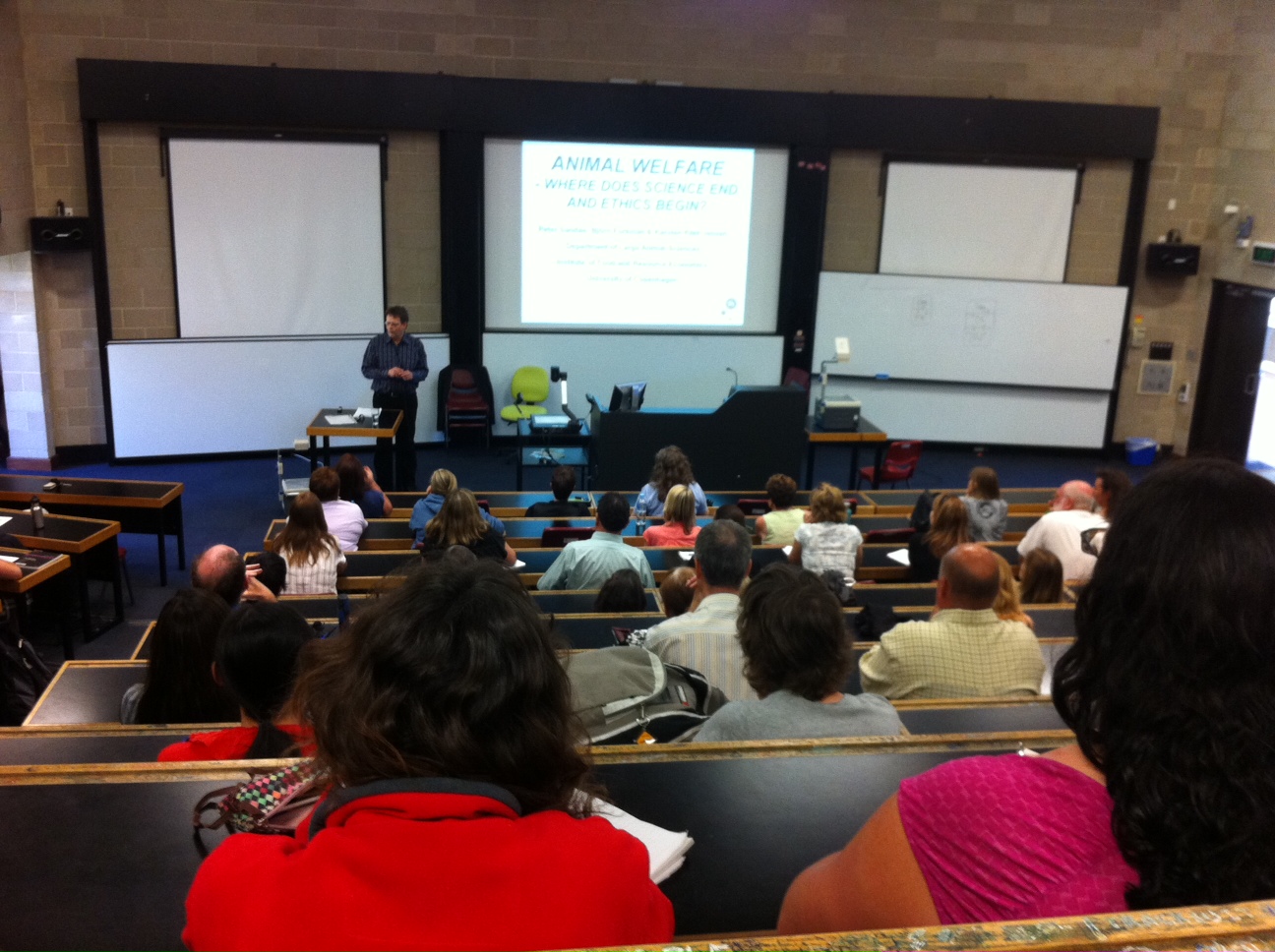
Dr Loh will be attending a lecture on animal welfare & ethics.

The lunch time lecture is held at Murdoch University and it is being presented by Peter Sandoe, Professor of Bioethics at the University of Copenhagen, Denmark.

Information about the event is in the flyer below.
PDF.pdf

In the USA, “for every dollar of fish stocking, $36 dollars of recreational angler-related expenditures are supported.”

With abalone enthusiasts licking their lips and sharpening their screw drivers for their next treasure hunt this Sunday, some might wonder where all the money they pay for fishing licences go.

Although it hasn’t been formally done for abalone, one of the ways the money may be spent is towards breeding fish for restocking the wild fisheries.

Aquaculture Economics & Management: Official Journal of the International Association of Aquaculture Economics and Management
Volume 16, Number 1 (January 2012)
THE ECONOMIC CONTRIBUTION OF THE PRIVATE, RECREATION-BASED AQUACULTURE INDUSTRY IN THE WESTERN UNITED STATES
Authors: DanielBryan Deisenroth 1, CraigA. Bond 2, JohnB. Loomis 2
Author Affiliations:
1: Department of Economics, California State University
2: Department of Agricultural and Resource Economics, Colorado State University
Source: Aquaculture Economics & Management: Official Journal of the International Association of Aquaculture Economics and Management, Volume 16, Number 1 (January 2012)
Page Numbers: 1 – 21
Available Full Text:
Full Text: Subscription Required to view full text
Format: PDF
Size: unknown
Location: Publisher’s Site
Authentication: EBSCOhost EJS
Abstract: This article explores the economic contribution of the private, recreation-based aquaculture industry in the Western United States. New sectors are constructed in IMPLAN input-output software using data gathered between 2007 and 2010 from producers and their direct customers (stocked fisheries). Information from a third survey of anglers in Colorado and California is integrated to predict the short-term shocks that would occur to various industries if anglers at privately stocked fisheries were to discontinue fishing (simulating a hypothetical collapse of the industry). Accounting for both the backward and forward linkages of the private, recreation-based aquaculture industry’s production, model results indicate that for every dollar of fish stocking, $36 dollars of recreational angler-related expenditures are supported, and that the total economic contribution of this industry in the Western United States is roughly $2 billion annually. This is the first study addressing the forward linkages and total economic contribution of this industry.
Citation: DanielBryan Deisenroth, CraigA. Bond, JohnB. Loomis . THE ECONOMIC CONTRIBUTION OF THE PRIVATE, RECREATION-BASED AQUACULTURE INDUSTRY IN THE WESTERN UNITED STATES. Aquaculture Economics & Management: Official Journal of the International Association of Aquaculture Economics and Management, Volume 16, Number 1 (January 2012), pp. 1-21, ;
URL: http://ejournals.ebsco.com/direct.asp?ArticleID=4435992EA6DAF558CB3C

Sometimes we need “accountants”…

Dr Loh will be consulting in Melbourne this Saturday.

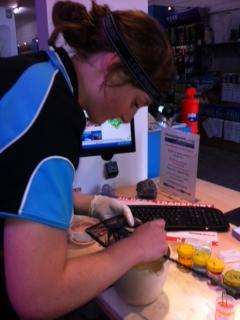
Since 2004, Dr Loh has been providing professional veterinary care for the fish at Boronia Aquarium in Melbourne and for its customer base. The monthly trips to Melbourne are usually the first Saturday of each month, but please always ring ahead to check. Between the visits, Dr Loh works with his colleagues at Boronia Aquarium to continually improve on the good practices to make them the best practices in the ornamental fish retail industry.

Call 03 9762 2044 to make an appointment to see him this Saturday the 3rd of March 2012.


Now on: TwitterBlogFacebookLinkedinYouTube
Yours sincerely,

Dr Richmond Loh
BSc BVMS MPhil (Vet Path) MANZCVS (Aquatics & Pathobiology) DipPMVeterinarian / Adjunct Lecturer Murdoch University / Secretary Aquatic Animal Health Chapter ANZCVS
The Fish Vet, Perth, Western Australia. Mobile Veterinary Service for fish and other aquatic creatures.
http://www.thefishvet.com.au
Ph: +61 (0)421 822 383

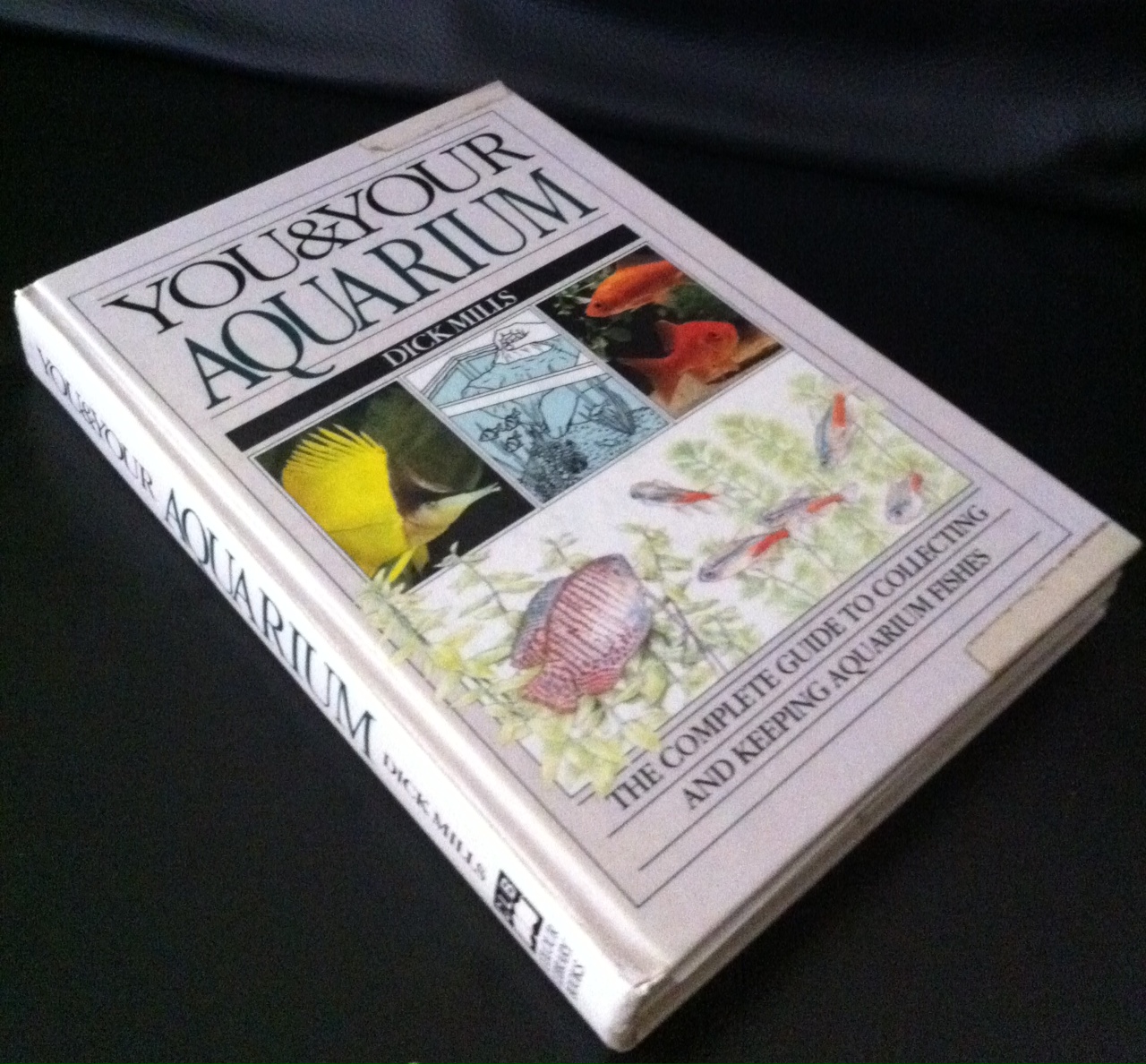
Looking for books? Check out this site.

Why does my goldfish change colour?

I just had an enquiry about why this person’s pet goldfish changed colour.

The short answer is that their skin colour is under genetic and hormonal control and it is normal.

The colour change is usually from a black/bronze to orange, to white. The colour change usually starts from the abdomen/flanks and spreads to the extremities. When this happens, the colours at the extremities usually become more intense. Fish normally start changing colour from 3-6 months of age or even later. So, the bronze goldfish you originally bought could become a gold goldfish, or even a white goldfish!

On another note, some people may have goldfish with pale colouration and notice that when they are placed in their outdoor pond, their colour becomes brighter. This is the effect of the sunlight and other natural foods that become available to the fish in outdoor situations.

Just be aware that excessive slime making the fish dull in colour, dark/black patches in unusual parts of the body, blisters and ulcers are signs of disease and prompt veterinary attention would be needed to obtain a correct diagnosis and treatment to remedy the situation.

Now on: Twitter – Blog – Facebook – Linkedin – YouTube

Yours sincerely,

Dr Richmond Loh
BSc BVMS MPhil (Vet Path) MANZCVS (Aquatics & Pathobiology) DipPM

Veterinarian / Adjunct Lecturer Murdoch University / Secretary Aquatic Animal Health Chapter ANZCVS
The Fish Vet, Perth, Western Australia. Mobile Veterinary Service for fish and other aquatic creatures.
http://www.thefishvet.com.au
Ph: +61 (0)421 822 383

Fish feasting on feet – A Fix or a Fad?

Food for fish?

There’s this apparently therapeutic spa treatment for feet using small fish to chew off dead skin.

Try googling “fish spa”, “garra rufa” and the like and you’ll find multiple articles about it. Are the health claims true? Can it treat psoriasis and other skin conditions?

These fish pedicures, using “doctor fish”, can be found in most touristy locations in Malaysia, Singapore, Thailand, China and Japan.

The latest news is that rather than therapeutic, the fish spas can actually facilitate transfer of infections!

Check out the information provided in these links – http://www.wellnesswa.com.au/2009/12/q-a-where-can-i-get-a-fish-pedicure-in-perth/
and
http://www.dailymail.co.uk/health/article-2050342/Fish-pedicures-foot-spas-spread-HIV-hepatitis-C.html
Food for thought.

Dr Loh teaches about fish health and water quality at Murdoch University today.

All set and ready to go. Spiked water samples for testing and fish for health checks. Students will also learn about fish anaesthesia and conducting necropsies.

Do goldfish grow to the size of their tank?

I received a fairly lengthy question yesterday from the UK. To summarise the question, it was about whether goldfish only grow to the size of the tank (the full question/s follow this answer).
Growth in fish, like other organisms, are influenced by many factors including nutrition and hormonal influences. The one thing though, the people mean when they talk about talk about goldfish growing to the size of its tank is to do with their regulation of growth hormones. Goldfish are one that produce growth inhibitory hormones (e.g. somatostatin) and in nature, it’s their way of reducing intraspecific competition by suppressing growth of other goldfish. This is a particularly useful survival mechanism especially if you’re a “big fish in a small pond”! In a tank situation, and if partial water changes are not performed regularly, this hormone can build up and suppress the goldfish itself! And in this way, it is also a survival mechanism whereby it will not outgrow its pond!
Other fish do not produce such potent hormones and this is why they can outgrow the aquarium they live in. These fish tend to be “big fish in a big pond”. Their survival strategy is to get as big as they can to avoid being eaten by someone else. The barramundi and Murray cod are great examples of such fish.
Fish wastes are generally not ideal for fish to live in. They would have anti-nutritional effects and nitrates are known to suppress the immune system. If conditions are not optimal, fish will not thrive and will not grow.

Now on: TwitterBlogFacebookLinkedinYouTube

Yours sincerely,Dr Richmond Loh
BSc BVMS MPhil (Vet Path) MANZCVS (Aquatics & Pathobiology) DipPM

Veterinarian / Adjunct Lecturer Murdoch University / Secretary Aquatic Animal Health Chapter ANZCVS
The Fish Vet, Perth, Western Australia. Mobile Veterinary Service for fish and other aquatic creatures.
http://www.thefishvet.com.au
Ph: +61 (0)421 822 383
On 27/02/2012, at 18:54,
Dear Richmond Loh,
I came across your information on Koi-vet.com under the ‘Fish Vets Listing’ section and I was wondering if you could possibly help me.

I have recently been investigating and trying to find out the truth behind the issue of Goldfish growth, how it is affected through stunting and what it is in particular that causes stunting to begin with.

There are many rumours, opinions and myths floating around, which makes it hard to discern the facts from the fiction. I was wondering if you could help me with the understanding of this topic. Or know of any papers/research that could help point me in the right direction.

At the moment, the main things I come across when I speak to others, is that stunting is caused due to the fish being kept in small aquaria, poor water quality or under feeding.
While I can appreciate these are all valid points, how do these factors cause the growth to cease? Through looking around I have begun to see people say, that due to hormones a goldfish can continue to grow, regardless of it’s tank size, if it has good water quality. It makes me wonder, what hormones they are referring to and the biology behind this? Along with what counts as small aquaria? When is a tank, too small for a goldfish?

Another interesting rumour I’ve heard is that when a goldfish is stunted, it’s body stops growing, but it’s internal organs do not? Is this true?
I am also curious, at how a goldfish is affected, if it’s stunted at different sizes. For example is a goldfish stunted at 8 inches, much healthier than one stunted as a juvenile?

If you could provide any answers, or further help, I would be extremely grateful.

Thank you for your time,
May I wish you the best for the future,

Ms A. Taylor


Challenges when discussing fish welfare are…

Dr Loh will be presenting the topic of fish welfare to 3rd year veterinary students today at Murdoch University.

One of the challenges when discussing fish welfare is that there are 3 main definitions about what constitutes good animal welfare.

The first is a ‘nature-based’ definition where it requires fish to feel good experiences and be free from negative experiences like fear and pain.

The second is a functions-based definition where it requires fish to be in good health, meaning they grow well, are free from disease, reproduces, etc.

Then there is the ‘nature-based’ definition where fish are to be able to lead a natural life and express the full range of behaviours as they do in the wild.

These definitions are not always congruent with each other… These will be explained in the lecture today.