Are you culturing barramundi in your backyard aquaponics? Winter is certainly arriving in Perth. Because barra are a tropical species, you’ll need to harvest them very soon, or if you want to keep growing them on, they will require heating. If not, you’ll run into many problems.
Scholarships available – FRDC’s Aquatic Animal Health Training Scheme.
From: Jo-Anne Ruscoe [mailto:jo-anne.ruscoe@frdc.com.au]
Subject: AAH training sheme
Reminder
Applications are now open for a range of FRDC development awards: Aquatic Animal Health Training Scheme; Peter Dundas-Smith Scholarship; Indigenous Development Scholarship; Emerging Leader Governance Scholarship; Governance Scholarship for Women; International Travel Bursaries; and Visiting Expert Bursaries. Further information on development awards is available on the FRDC website. http://www.frdc.com.au/communitypeople/scholarships
SeaVet – Veterinary Clinical Training (June 4-13, 2012; University of Florida, College of Veterinary Medicine)
———- Forwarded message ———-
From: Dr. David Scarfe <DScarfe@avma.org>
Date: Tue, Apr 3, 2012 at 10:23 PM
Subject: AquaVetMed: SeaVet – Veterinary Clinical Training (June 4-13, 2012; U-FL, CVM)
To:
SeaVet – Veterinary Clinical Training (June 4-13, 2012; University of Florida, College of Veterinary Medicine)
Gainesville, FL, USA – SeaVet Clinical Training is an intensive nine day course designed to teach veterinary medical students and veterinarians through didactic lecture, case-based problem-solving and practical experience. The program also features an educational and interactive hands-on training. This is a three credit professional class through the University of Florida. Academic credit will only be granted to University of Florida veterinary students.
Continuing education credits may be earned by veterinarians. This course has a maximum of 25 allowed by the state of Florida. If requested, a form will be provided at start of the course to keep track of your hours.
Space is limited; reserve your seat today at www.conference.ifas.ufl.edu/ame/seavet.
Registration Fee includes: the course, a dolphin interaction program, six lunches, daily refreshment breaks, transportation to/from field trip sites, and accommodation in the recommended hotel, and course materials.
- · Veterinary Student Registration Fee (after April 2, 2012) – $435.00
- · Veterinarian Registration Fee (after April 2, 2012) – $600.00
For More Information:
Mike Walsh, Program Organizer
University of Florida /College of Veterinary Medicine
PO Box 100136 /Gainesville, FL 32610-0136
Phone: 352-294-4948 /Fax: 352-392-8289
Email: walshm@vetmed.ufl.edu
Shelby Sowder, Course Registrar
UF/IFAS / Office of Conferences & Institutes (OCI)
PO Box 110750 / Building 639, Mowry Road Gainesville, FL 32611-0750
Phone: 352-392-5930 /Fax: 352-392-9734
Email: msowder@ufl.edu
___________________________
AquaVetMed e-News provides information to veterinary and veterinary-allied subscribers concerning aquatic animal medicine, health, welfare, public health and seafood safety, obtained from a variety of sources (largely AquaVetMed subscribers). While provided by the American Veterinary Medical Association’s, Aquatic Veterinary Medicine Committee and are for public distribution, they do not necessarily reflect the opinion of the AVMA or the veterinary profession. See the AVMA Terms of Use (http://tinyurl.com/29h2rf) for further information.
If e-News information is used elsewhere please acknowledge AquaVetMed as the source. Encourage individuals to subscribe rather than distribute through list serves.
Messages may contain attachments that will have been scanned for known viruses.
Subscription and Contributions: Interested veterinarians and veterinary-allied professionals can subscribe, unsubscribe, or contribute pertinent news or information, by sending a message with “For AquaVetMed -” and the topic in the subject line, to dscarfe@avma.org.
Note: Undelivered e-mails will not be resent; Subscribers will be deleted from the list after repeated undelivered or bounced messages and will have to re-subscribe.
Visit our website: www.avma.org
________________________________
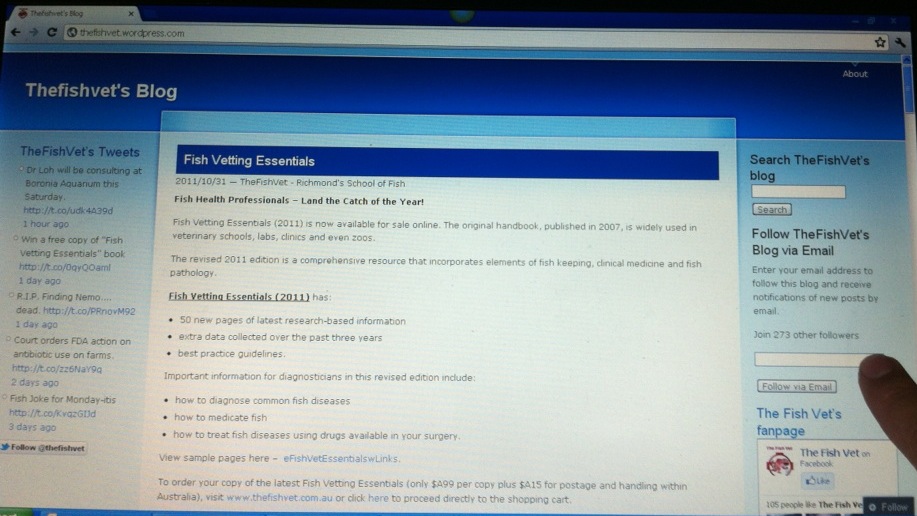
Get TheFishVet’s blogs direct to your email!
There is now an easier way to subscribe to Dr Loh’s blogs. Just enter you email address in the field on the panel to the right.
Fertilising your lawn?
“Did you also know…recent studies have found that, on average, 5 times as much fertiliser is applied to lawns than is actually needed?”
I’m subscribed to the Envious Designs mailing list on all things garden found something interesting to share with you which relates to our aquatic environment:
“Approximately 60% of lawn fertiliser is leached past the root-zone and ends up in our ground water and wetlands. In fact, many of the algal blooms that we hear of so often can be directly associated with our suburban gardening habits. Unfortunately, in our quest for a healthy looking green lawn and garden, we mistakenly apply the theory that ‘if some is good, then more must be better!’ Fertilisers should only be applied to lawns and gardens in early Spring and Autumn… Look for the ‘Fertilise Wise’ logo and choose a ‘river-safe’ fertiliser…”
Fish Joke for Monday-itis
What do you call a fish on a spending spree?
Botia (bought ya)!
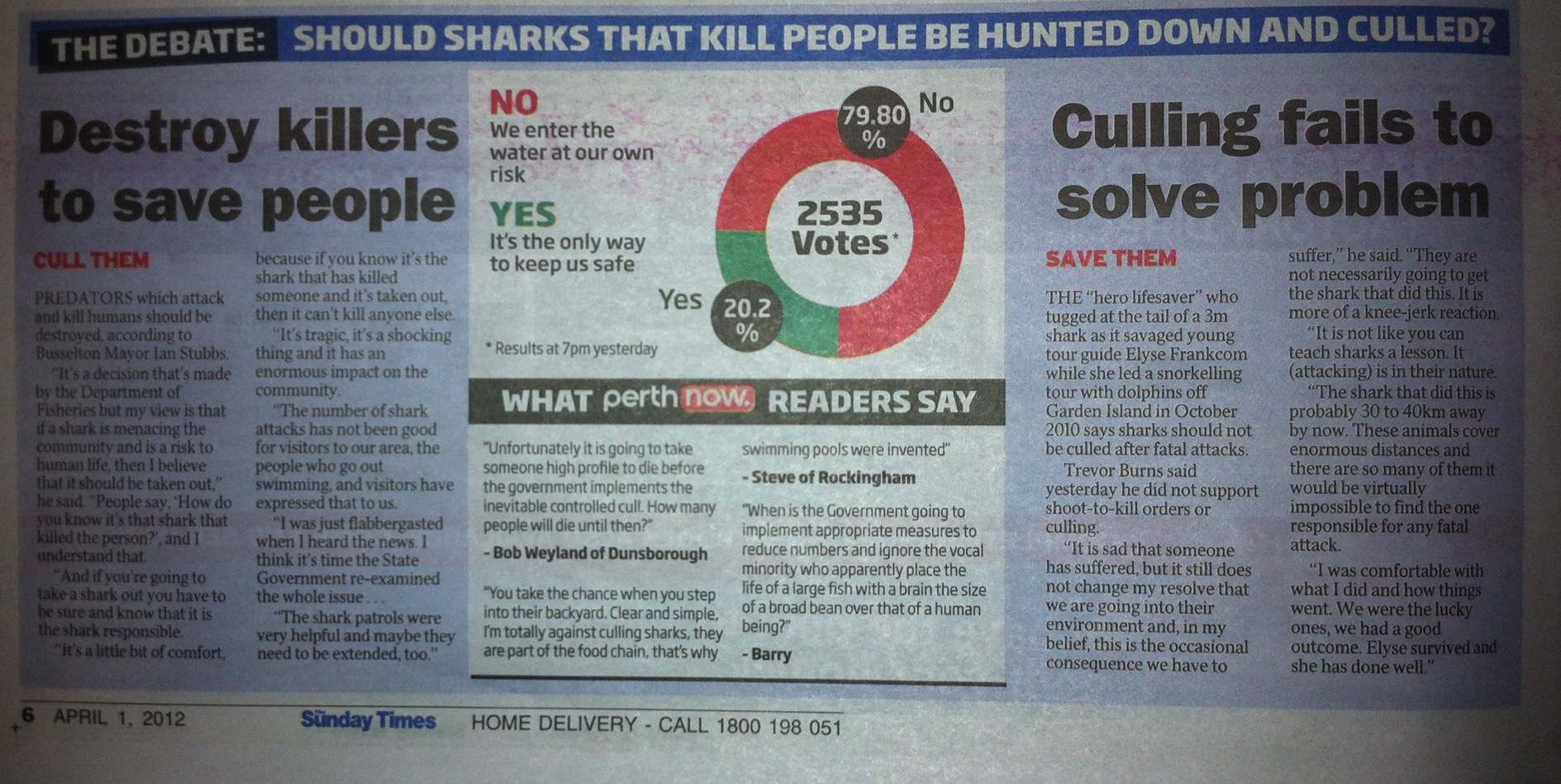
Should sharks that kill people be hunted down and culled?
The debate continues as another fatality occurred over the weekend near Busselton, Western Australia.
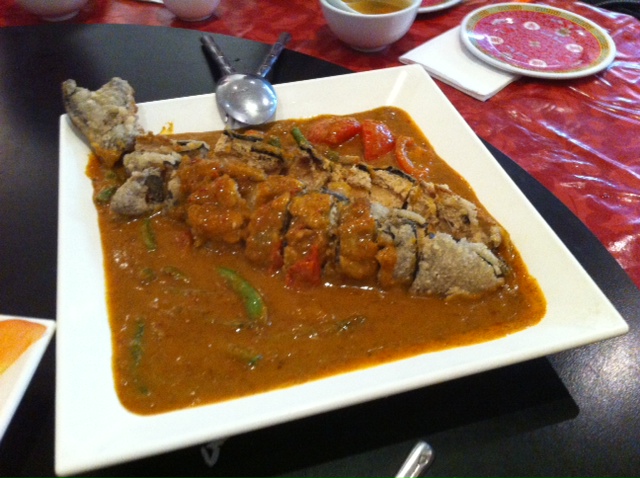
What’s this boneless fish?
Nonya sauce fish at Vegie Hut in Doncaster. This is their famous dish and very tasty, almost like the real McCoy!
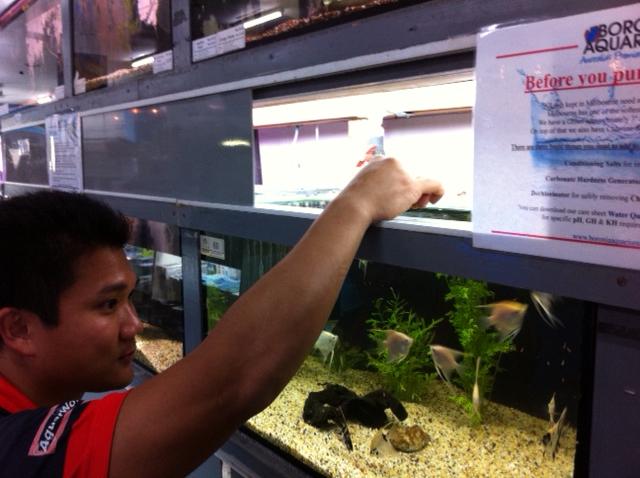
Best part of the job
Feeding the fishes!
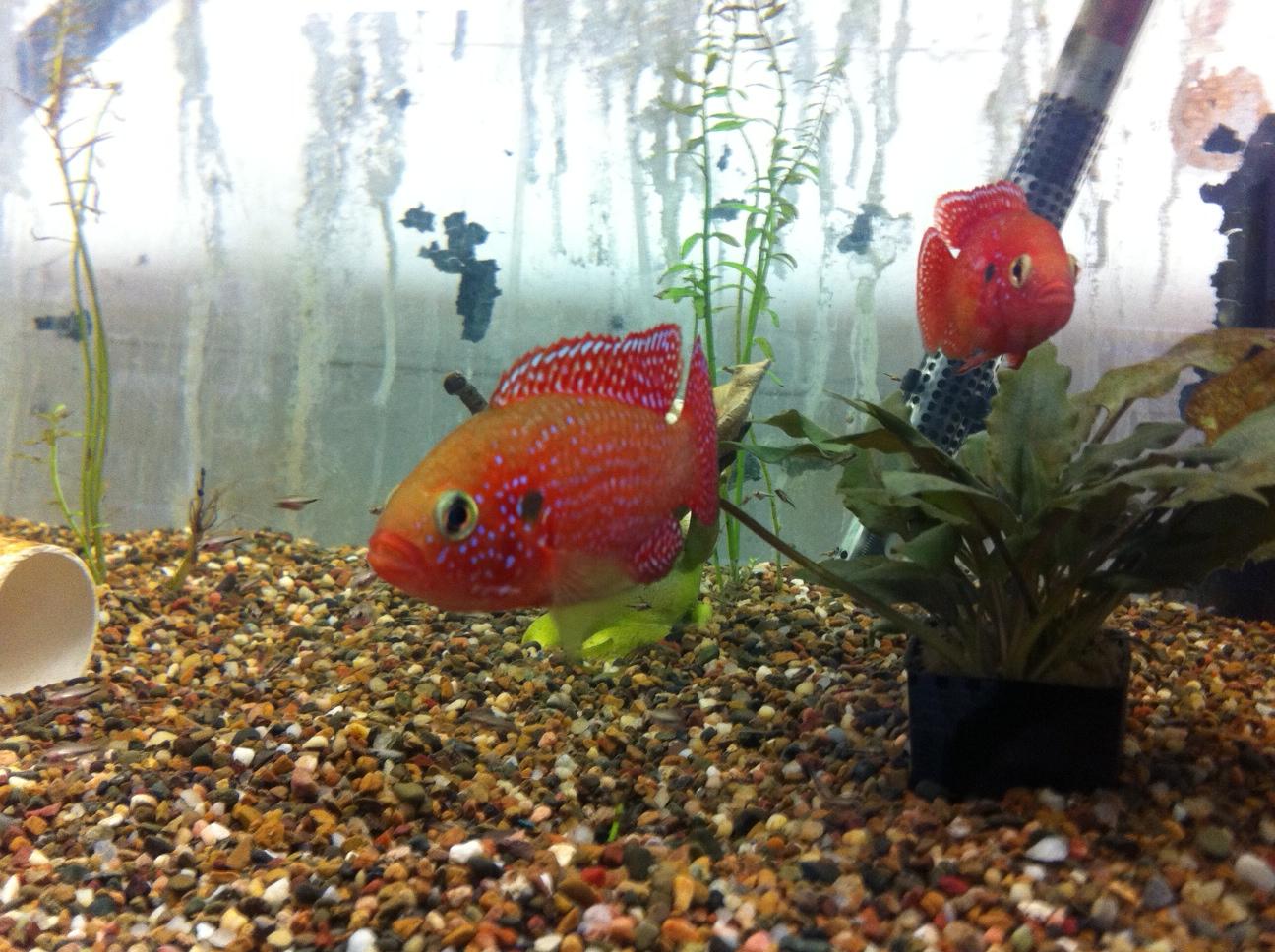
Breeding pair of Jewel Cichlids
Beautiful pair with loads of babies. Happy enough to breed in the shop tanks At Boronia Aquarium.