Fishing you a very merry Christmas!
All about Fish Vetting – Dr Richmond Loh
This is a handy resource for you and your clients.
From: “Dr. David Scarfe”
Date: 13 December 2013 3:36:49 AWST
Subject: AquaVetMed e-News: A Resources for You! – FDA Answers about Fish Drugs
FDA Answers Your Questions about Fish Drugs
Resources for You! The FDA Center for Veterinary Medicine has just published this on-line source to help all end users understand the appropriate use of drugs with aquatic animals.
The web resources covers information on:
· Meet FDA’s Center for Veterinary Medicine
· What’s a drug?
· What’s an approved new animal drug?
· What does FDA’s approval provide?
· What’s a conditionally approved new animal drug?
· Is the approval/conditional approval process the only legal pathway to the marketplace for a new animal drug?
· How can I find out if an animal drug is legally marketed?
· What’s the difference between a finished drug product and an active ingredient?
· What’s the difference between an approved new animal drug and a drug that has an INAD exemption?
· What should I do if I experience a problem with a fish drug?
· What are FDA’s concerns about unapproved animal drugs? Why should I care?
· What about products I hear referred to as “low regulatory priority”?
Resources for You! Simply go to http://tinyurl.com/kk64sv7 to access the complete information.
Hopefully, this article answers many of your questions about aquaculture and FDA. If you have more questions or would like more information, please contact CVM’s Communications Staff at 240-276-9300 or AskCVM@fda.hhs.gov.
___________________________
AquaVetMed e-News provides information to veterinary and veterinary-allied subscribers concerning aquatic animal medicine, health, welfare, public health and seafood safety, obtained from a variety of sources (largely AquaVetMed subscribers). While provided by the American Veterinary Medical Association’s, Aquatic Veterinary Medicine Committee and are for public distribution, they do not necessarily reflect the opinion of the AVMA or the veterinary profession. See the AVMA Terms of Use (http://tinyurl.com/29h2rf) for further information.
If e-News information is used elsewhere please acknowledge AquaVetMed as the source. Encourage individuals to subscribe rather than distribute through list serves.
Messages may contain attachments that will have been scanned for known viruses.
Subscription and Contributions: Interested veterinarians and veterinary-allied professionals can subscribe, unsubscribe, or contribute pertinent news or information, by sending a message with “For AquaVetMed -” and the topic in the subject line, to dscarfe@avma.org.
Note: Undelivered e-mails will not be resent; Subscribers will be deleted from the list after repeated undelivered or bounced messages and will have to re-subscribe.
Visit our website: http://www.avma.org
________________________________
|
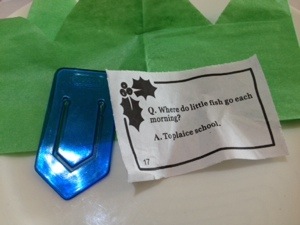
Got this in my Christmas Bon bon.
We are requesting your help, for one of our Goldfish who is about 15 cms in length, and many yrs old, we have been treating it for cotton wool like growths, with Tri-Sulpha, cleaning the tank adding a heater, and have used 3 bottles in our 120L tank, over the last 6 months, to no avail. As this service runs for the terminally ill, till their passing, the fish give our patients great joy and peace to look at, and are wondering if you were able to help this fish, and effectively our service…
Follow me on: Facebook “Fin Page” – YouTube – Blog – Linkedin – Twitter
—
Yours sincerely,
Dr Richmond Loh DipProjMgt, BSc, BVMS, MPhil (Pathology) Murdoch, MANZCVS (Aquatics & Pathobiology), CertAqV.
Aquatic Veterinarian | Adjunct Lecturer Murdoch University | President-elect WAVMA |
Secretary Aquatic Animal Health Chapter – ANZCVS.
The Fish Vet, Perth, Western Australia, AUSTRALIA. Mobile Veterinary Medical & Diagnostic Services for fish and other aquatic creatures.
http://www.thefishvet.com.au
Ph: +61 (0)421 822 383
Skype: thefishvet
Looking for more books? Check out this site.


This is an oldie, but a goodie I found when I was doing some electronic filing. I gave my client some homework to do and this is an email report from my client on the progress of the treatment against Cyanobacteria in his fish tank. Enjoy!
R<><
Hi Dr Loh,
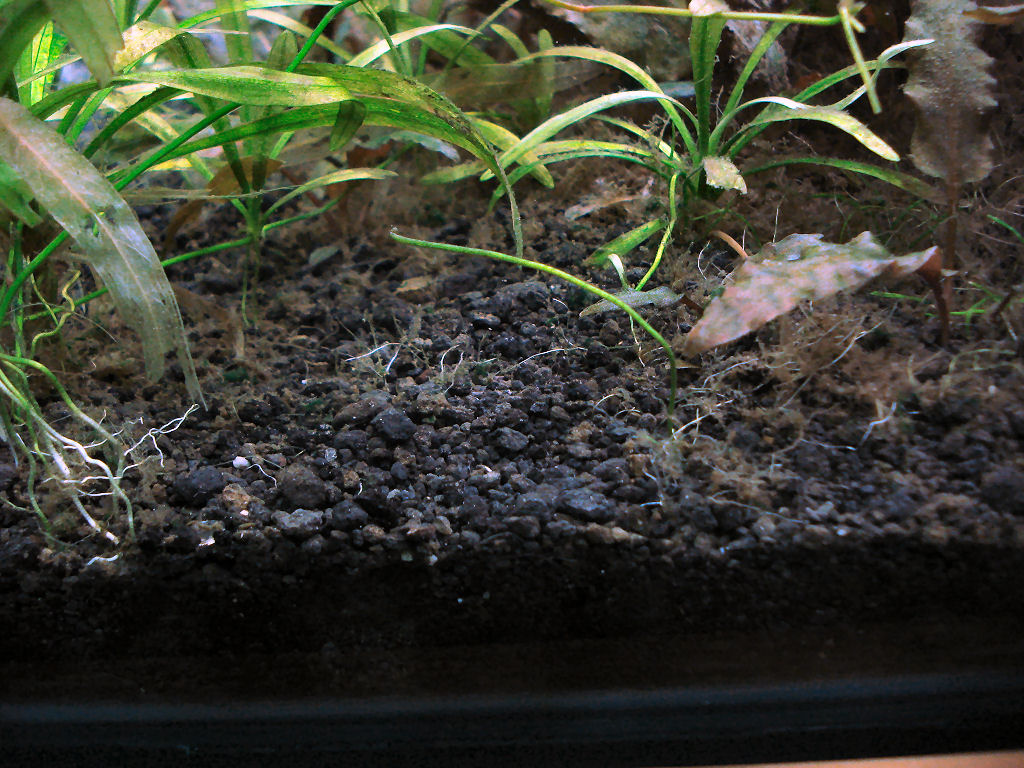
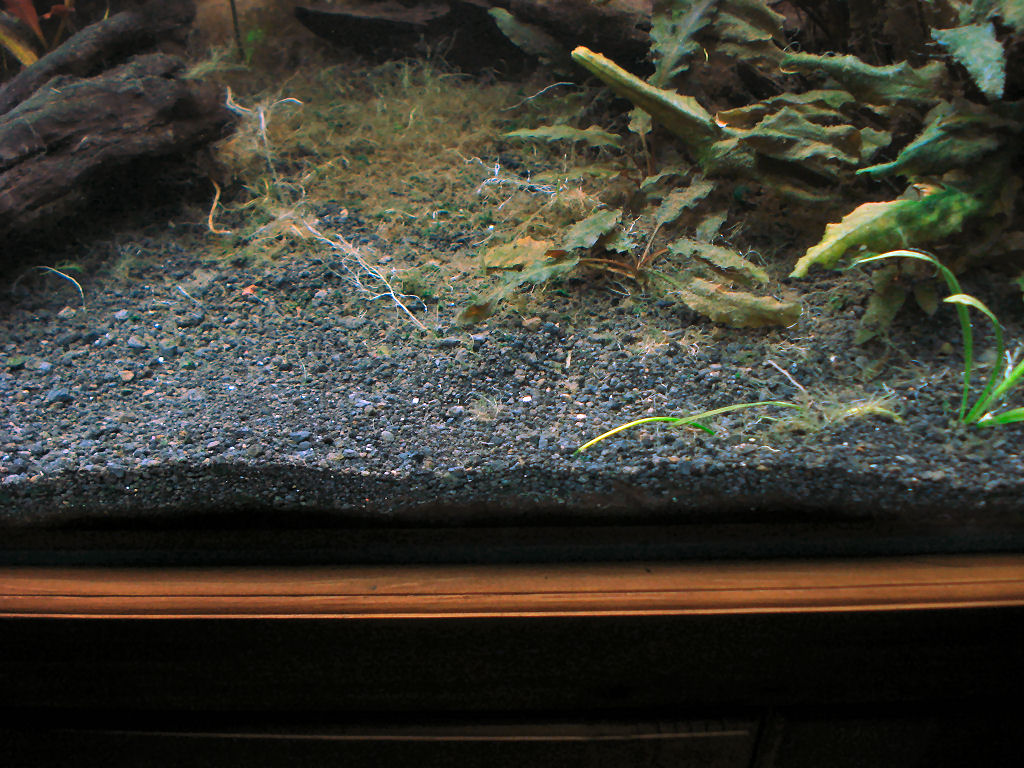
Below are some photo’s of before, during and after treatment for the blue green algae.


I started treatment of the tank at around 5pm on Friday. Ammonia and nitrite were 0ppm, nitrate was 5ppm and phosphate 0.25ppm
Naturally, the tank went a little cloudy when the medication was put into the system but then cleared shortly after. In addition to the treatment, I also placed a pad of zeolite into the tanks trickle filter to absorb and ammonia. No adverse reaction was observed in fish. In fact, some fish enjoyed eating what little pieces of erythromycin that had not been fully dissolved!
After a short while, it could be seen the Cyanobacteria was reacting to the erythromycin. It showed up in areas on the glass and on the large thick clumps of cyanobacteria. It began to ‘pull-apart’. It was no longer a smooth appearing surface. This can be seen in the photos below.


The cloudiness of the water then started to increase in the first 2 hours. Twenty-four hours later, I did a water change as per your instructions. As part of this change, I also ensured the gravel had a good clean and removed some plants. The gravel cleaning was successful in getting most of the dead or dying cyanobacteria. What was not removed by siphoning, was removed by hand.
After this change, a test of the water quality was performed. Ammonia and nitrate measured 0ppm. Nitrate at less than 5ppm and phosphate was measured to be 0.50ppm. I added 5ppm of KNO3 to increase the Nitrate to between 5 and 10ppm for the aquarium plants. Below are pictures of the same areas taken after the treatment and clean.
All fish are doing great and never showed any signs of stress or discomfort apart from the large water change, but they are all happy again.
Career Girls – Why Aquatic Animal Medicine?
Veterinarian, Dr Alice Bugman explains…
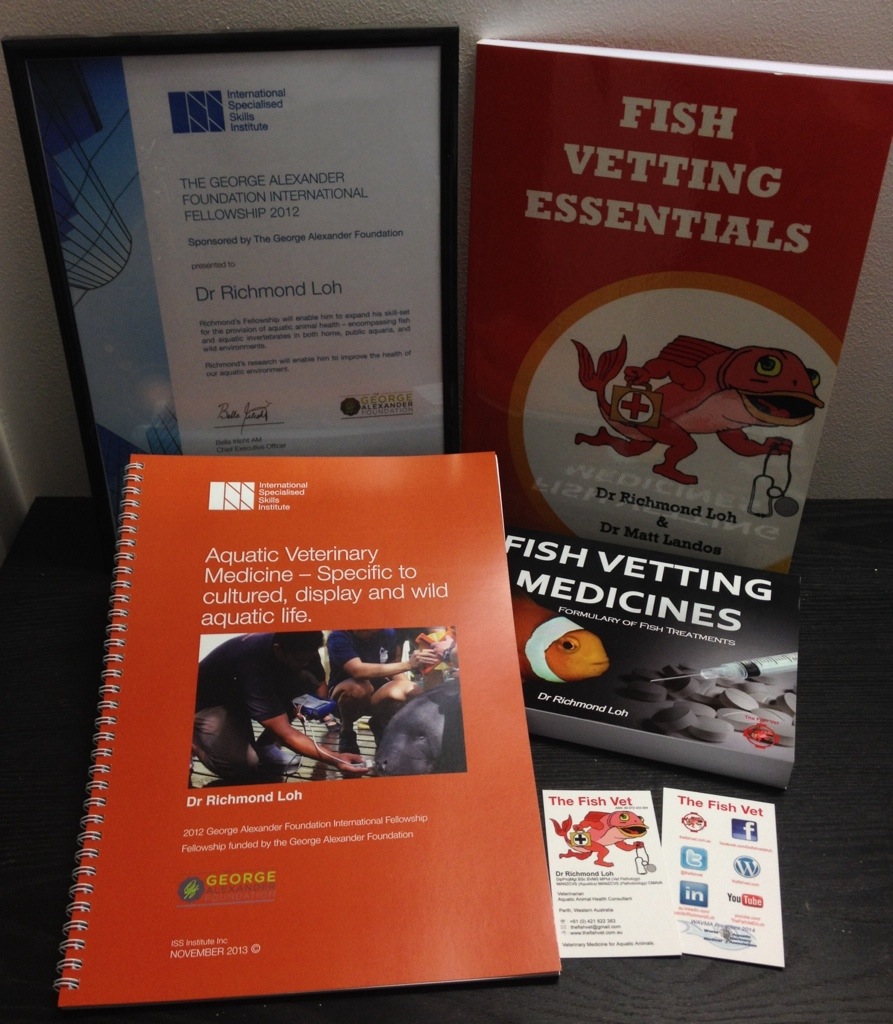
A complimentary copy of the book, “Aquatic Veterinary Medicine – Specific to Cultured, Display and Wild Aquatic Life” will be sent, when you order a copy of “Fish Vetting Essentials” and “Fish Vetting Medicines” this month.
A fantastic Christmas present for all fish fanciers!
Place your order now at – http://thefishvet.com.au
NB: The two books must be purchased in the same transaction.
Q: What do you call a fish that looks like a turd?
A: A scat!
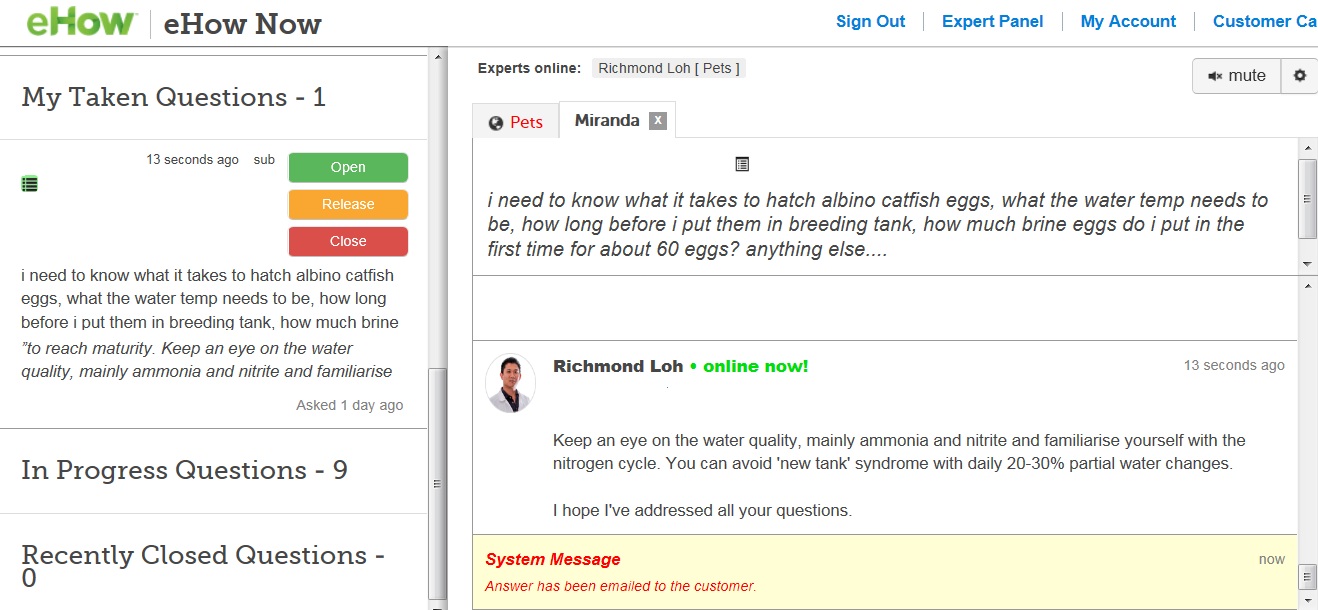
Now, no matter where you are in the world, or what time zone you’re in, you can ask Dr Loh anything relating to aquatic animal health.
Just follow this link to submit your question: https://now.ehow.com/
—
Yours sincerely,
Dr Richmond Loh DipProjMgt, BSc, BVMS, MPhil (Pathology) Murdoch, MANZCVS (Aquatics & Pathobiology), CertAqV.
Aquatic Veterinarian | Adjunct Lecturer Murdoch University | President-elect WAVMA |
Secretary Aquatic Animal Health Chapter – ANZCVS.
The Fish Vet, Perth, Western Australia, AUSTRALIA. Mobile Veterinary Medical & Diagnostic Services for fish and other aquatic creatures.
http://www.thefishvet.com.au
Ph: +61 (0)421 822 383
Skype: thefishvet