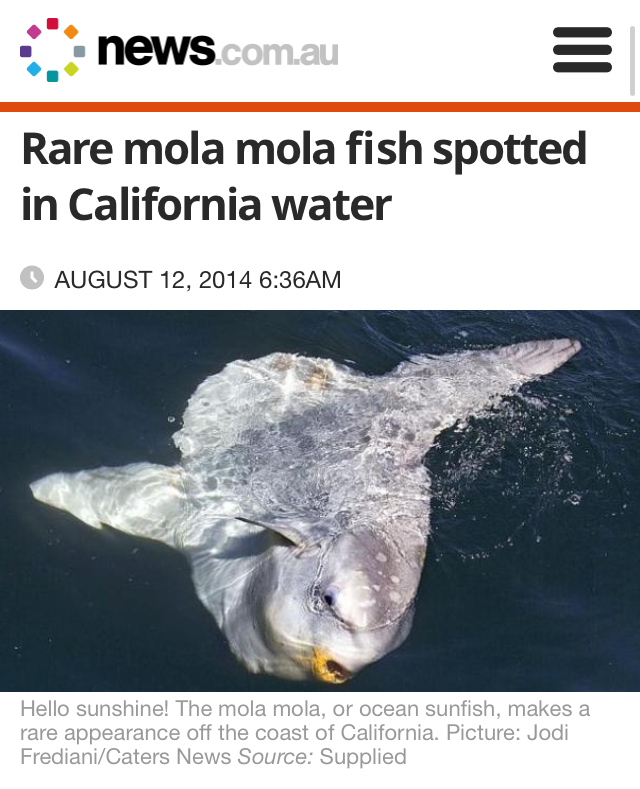
Q: What fish can’t you eat?
A: The one you can’t catch!
Thanks to Andrew L. for this.
All about Fish Vetting – Dr Richmond Loh
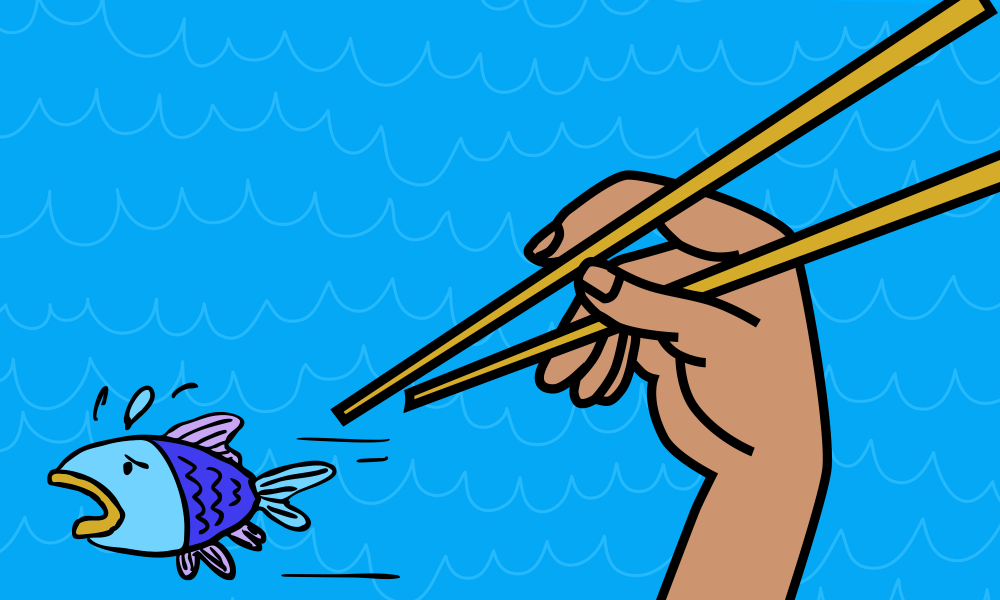
Q: What fish can’t you eat?
A: The one you can’t catch!
Thanks to Andrew L. for this.
In the beginning, it was difficult for me to gain sufficient knowledge and experience with ornamental fish case loads being rather sparse.
Sure, I worked in a diagnostic laboratory; but I dealt mainly with salmon, trout, oyster, abalone and lobsters. I yearned to work with the prettier fishes.
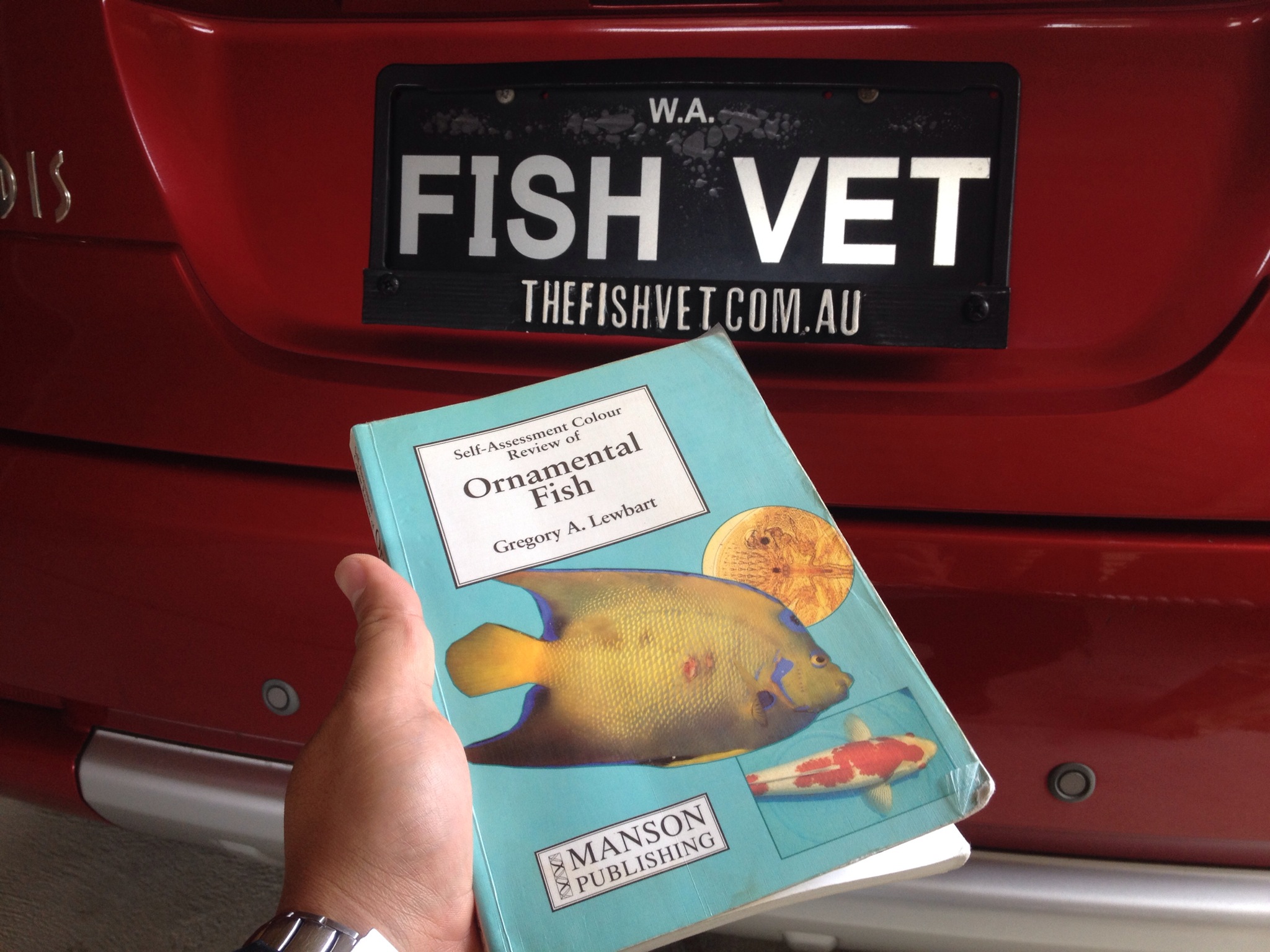
One of my friends gave me this book as a present (one of the best gifts by far, thank you). In this book are 265 cases of fish health problems with diagnostic work ups and solutions to the ailments. This “Self-Assessment Colour Review of Ornamental Fish” by Dr Greg Lewbart is a most excellent publication. It quickly gave me the confidence that I have seen or read about the most common issues that are out there. I highly recommend it if you’re at all serous about being a fish veterinarian.
What’s more is that they’re publishing a second edition (yay!); and they’ve asked me to contribute some of my cases (yay x2!).
Keep a look out for the new edition when it’s ready!
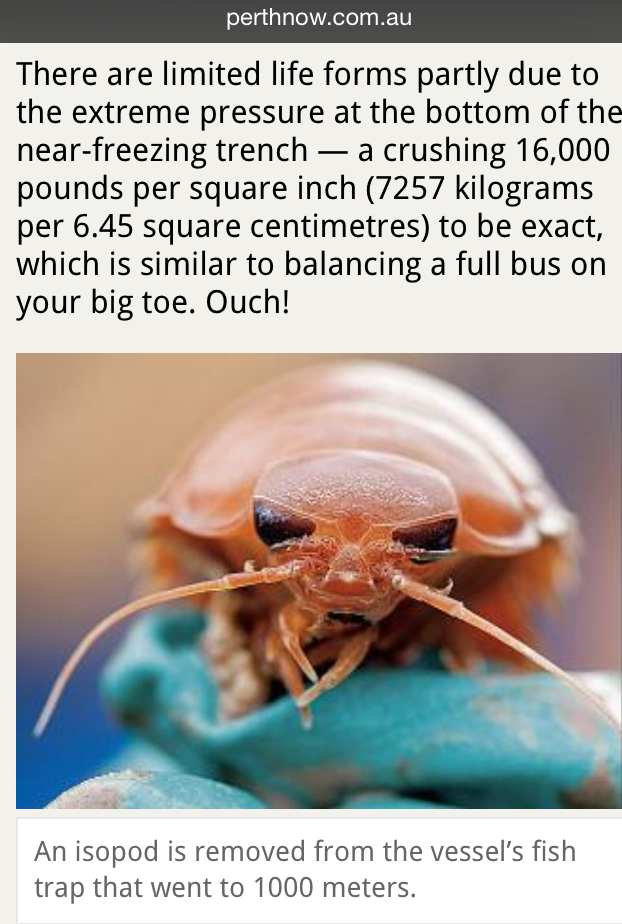
Check out what they’re finding in the very deep waters – see link.
I was sent a link to this article. The writer does put out some great reasons for giving up eating fish, but I don’t believe that’s a good solution. I mean, if noone eats fish, and noone goes fishing, then noone is going to care about the fish and the seas and the environment. It’s only when we need to rely on the fish as food and we need to rely on the environment to be intact that we will truly care for them.
Have a read of the article and feel free to share your thoughts – link to article.
Q: How do fishy fairytales begin?
A: Once uPOND a time…..
Reminder – Call for “Enhancing Aquatic Veterinary Practice & Client Production” Session Presentations at Aquaculture America 2015
Proposals for presentations for a full day of aquatic veterinary continuing education & professional development are invited for this special Aquatic Veterinary Medicine Session organized and coordinated by the AVMA and WAVMA, must be received by Monday, August 25.
Of particular interest (but not restricted to) are presentations dealing with programs, services and tools that enhance aquatic veterinary practice, and fulfill aquaculture industry’s and client’s needs for increase production, profits and meeting regulatory requirements.
To ensure inclusion in this session, speakers should e-mail the following, by August 22, 2014 to Dr. A. David Scarfe (Session Coordinator) – dscarfe@avma.org, (847) 285-6634.
• author/s name/s (*indicating the speaker);
• presentation title; and
• indicate the desire for a 15 or 30 minute presentation
NOTE: Oral presentations for this program will be accepted on a first-come, first-served submission of suitable presentation titles and/or abstracts. Other presentations may be assigned to posters or other sessions.
This session is intended for veterinary Continuing Education and veterinarians attending will receive a veterinary CE certificate of participation. All abstracts will need to be submitted online through http://www.WAS.org.
AQUACULTURE AMERICA 2015, AVMA and WAVMA are unable to subsidize registration fees, travel or hotel costs. All presenters are required to pay their own registration, accommodation and travel expenses. AVMA & WAVMA members receive discount registration rates.
“Toxic algal blooms have left the Swan River “dead” below two metres and pathogens harmful to humans are being recorded above the safe swimming limit, according to new research…
Symptoms included low oxygen levels, high nutrient levels and fish deaths that exceeded the Swan River Trust’s target in four of the past 10 years.”
From: Bert De Groef
Subject: Free the frogs
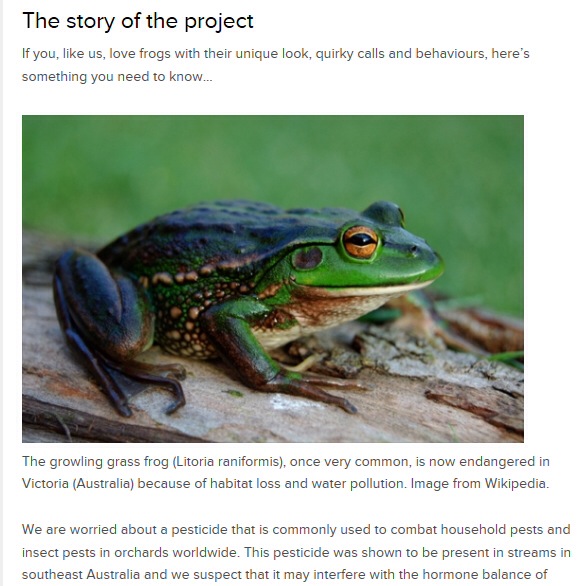
My research team and I have launched a crowd funding project in an attempt to raise money to fund our research into the effect of some common pesticides (juvenile hormone analogs – a class of insect growth regulators) on the hormone balance and the development of amphibians. Amphibians, one third of which is already threatened with extinction, are particularly vulnerable to the effects of pollutants because of their aquatic lifestyle and their permeable skin. The pesticides that we are examining may not kill the animals, but are likely causing subtle effects that disturb the animals’ development, growth, immunity and reproduction. These pesticides have been detected in Australian streams, home to some of the world’s unique frogs.
We thought that this is a topic that would be of interest to Friends of the Earth members. If deemed appropriately, you could help us raise the funds by getting the word out and disseminating the link: www.pozible.com/freethefrog via social media or newsletters.
We have 60 days to raise the money if the project is to be successful, so any contribution you could make is enormously appreciated (deadline 06 October 2014)!
Thank you very much in advance!
Best regards,
Bert De Groef
Lecturer & Postgraduate Coordinator
Department of Agricultural Sciences, School of Life Sciences, La Trobe University, Bundoora VIC 3086, Australia
and
AgriBio – the Centre for Agribiosciences, 5 Ring Road, Bundoora VIC 3083, Australia
T: +61 3 9032 7436 E: b.degroef@latrobe.edu.au
Dr Chris Brown talks about his exploits with his wetter patients.
—
Yours sincerely,
Dr Richmond Loh
DipProjMgt, BSc, BVMS, MPhil (Pathology) Murdoch, MANZCVS (Aquatics& Pathobiology), CertAqV, CMAVA, NATA Signatory.
THE FISH VET, Perth, Western Australia.
Veterinary Medicine for fish.
W: http://www.thefishvet.com.au
E: thefishvet
P: +61 (0)421 822 383