New fish introductions are the most common prequel to fish diseases.

This article illustrates how important it is to check the fish health, treat or quarantine new fishes before introducing to your tank.


Aquaculture
Volume 379, Number 7 (February 2013)
Naturally infected channel catfish (Ictalurus punctatus) concurrently transmit Ichthyophthirius multifiliisand Edwardsiella ictalurito naïve channel catfish
Authors: De-Hai Xu, Craig A. Shoemaker, Qizhong Zhang, Phillip H. Klesius
Author Affiliations:
no affiliations available
Source: Aquaculture, Volume 379, Number 7 (February 2013)
Page Numbers: 133 – 136
Available Full Text:
Full Text: Subscription Required to view full text
Format: PDF
Size: Unknown
Location: Publisher’s Site
Authentication: Publisher’s Site
Abstract: There is no information available whether fish naturally coinfected with Ichthyophthirius multifiliis(Ich) and Edwardsiella ictalurican concurrently transmit both pathogens to naïve fish. The objective of this study was to expose naïve channel catfish (Ictalurus punctatus) to naturally infected fish that carried Ich and E. ictalurito provide clinical evidence for transmission of both pathogens. Three tanks of fish were exposed to naturally coinfected fish and two tanks were utilized as mock-infected controls in each of two trials. In trial I, 34 out of 60 fish (56.7%) exposed to two infected fish per tank died at day one. All remaining fish died two days post exposure. Of the dead fish, all showed heavy Ich infection and E. ictaluriwas isolated from the kidney of 60% of the dead catfish. In trial II, the cumulative mortality in fish exposed to 2 coinfected fish per tank was less than 20% during days 1–7 post exposure. Most of the fish died from 8 to 14days post exposure to the coinfected fish. Ninety-six percent of fish were positive for both Ich and E. ictaluriin trial II. The results demonstrated that fish naturally coinfected with Ich and E. ictaluricould concomitantly transmit both pathogens to naïve fish. In aquaculture management, precaution is needed to thoroughly examine fish prior to shipment or purchase to prevent the spread of aquatic animal pathogens.
Citation: De-Hai Xu, Craig A. Shoemaker, Qizhong Zhang, Phillip H. Klesius . Naturally infected channel catfish (Ictalurus punctatus) concurrently transmit Ichthyophthirius multifiliisand Edwardsiella ictalurito naïve channel catfish. Aquaculture, Volume 379, Number 7 (February 2013), pp. 133-136, <http://ejournals.ebsco.com/direct.asp?ArticleID=4443A314A0E5EB1B9A39&gt;
URL: http://ejournals.ebsco.com/direct.asp?ArticleID=4443A314A0E5EB1B9A39

There’s something fishy about this hotel prank.

From:| News.com.au

http://mobile.news.com.au/travel/news/theres-something-fishy-about-this-hotel-prank/story-e6frfq80-1226577716991

I found the video here – http://m.youtube.com/#/watch?sns=fb&v=fvg9PlzawlA&desktop_uri=%2Fwatch%3Fv%3Dfvg9PlzawlA%26sns%3Dfb&gl=GB

WAVMA/AVMA Aquaculture 2013 Aquatic Vet Sessions, Nashville, Tennessee, USA.

WAVMA/AVMA Aquaculture 2013 Aquatic Vet Sessions Meeting of World Aquaculture Society, National Shellfisheries Association and American Fisheries Society, Fish Culture Section

Location: Nashville Convention Center, Nashville, TN

Registration opens and Welcome Reception: February 21

Exhibition open: February 22, 23, 24

Conference dates: February 22, 23, 24, 25

Make plans to attend the 2-day “Advancing Aquatic Veterinary Medicine, Fish Health & Disease” program sponsored by AVMA, WAVMA and Merck Animal Health (see attached schedule) and earn up to 10 hours of Veterinary Continuing Education & Professional Development credit by participating in this 2-day program! For USDA Accredited Veterinarians, earn additional APHIS CE credit towards re-accreditation.

For details on the full Aquaculture 2013 Conference, including registration and hotel accommodation, go to www.WAS.org.

Visit the AVMA & WAVMA Booths (#529 &531) to discover more about Aquatic Veterinary Medicine.

______________________

A. David ScarfePhD, DVM, MRSSAf

American Veterinary Medical Association

Direct phone: (847) 285-6634

dscarfe


Yours sincerely,

Dr Richmond Loh
BSc BVMS MPhil MANZCVS (Aq & Pathol)
The Fish Vet, Perth, Western Australia.
Veterinary Medicine for fish.
W: http://www.thefishvet.com.au
E: thefishvet
P: +61 (0)421 822 383

Fine tuning of feeding practices for fry – a new way of thinking.

In some aquaculture industries, it is good going if you can get 50% survival through weaning (i.e. moving fish from live feeds to artificial diets). So if you’re using barramundi as an example, it’s quite lucky then that they are highly fecund, with a single female (> 120 cm total length) capable of producing up to 46 million eggs! With numbers like these, each 1% increase in survival could give you about half a million more fingerlings! Imagine that!

In traditional aquaculture, there are usually abrupt husbandry changes made – e.g. when changing diet, changing tank size, grading, etc. This research paper gives us a new way of thinking. Could we perhaps incorporate some overlaps in feeding practices. Instead of going ‘cold turkey’ from live foods (e.g. artemia) to finely ground artificial diets, would it be a better idea to offer both foods at the same time?

Fish do learn off each other, just as other animals (and humans!). Some fish are more adventurous and are more willing to try different things. Some fish may recognise the artificial diet as food earlier than others, and when tank mates observe others eating this, they too will give it a go.

So, even though the article below may not be exactly the species you’re dealing with, you can draw parallels from other industries. There’s no point ‘re-inventing the wheel’.

Research
Volume 44, Number 3 (February 2013)
Fine tuning of feeding practices for hatchery produced Persian sturgeon, Acipenser persicusand Beluga sturgeon, Huso huso

Authors: N. Agh, F. Noori, A. Irani, G. Stappen, P. Sorgeloos
Author Affiliations:
no affiliations available
Source: Aquaculture Research, Volume 44, Number 3 (February 2013)
Page Numbers: 335 – 344
Available Full Text:
Full Text: Subscription Required to view full text
Format: PDF
Size: unknown
Location: Publisher’s Site
Authentication: EBSCOhost EJS

Abstract: In this work, we investigated the effects of various feeding treatments on the survival and growth of Huso husoand Acipenser persicuslarvae during a 20-day culture period. Three replicate groups (250 fish/replicate) of first-feeding larvae were fed according to four main feeding regimes: (1) live food (live nauplii of brine shrimp Artemia urmiana); (2) indirect transition (5–7 days live food followed by gradual transition to formulated diet); (3) direct transition (using different combinations of live and formulated diet from the start feeding onwards); and (4) formulated feed (FD) from the start of feeding. In H. husolarvae, combining live food and manufactured diets (co-feeding) from the first feeding stage onwards (direct transition) resulted in significantly higher weight gain than the other regimes. Survival was significantly higher in H. husolarvae fed solely live food or the direct transition regimes compared with indirect transition and FD. In A. persicuslarvae, growth and survival were higher in the indirect transition feeding regime than in the other regimes. On the basis of the results of this study, we recommend co-feeding of H. husoimmediately from the commencement of exogenous feeding, but co-feeding of A. persicusshould start 7 days after prior feeding with live food.
Citation: N. Agh, F. Noori, A. Irani, G. Stappen, P. Sorgeloos . Fine tuning of feeding practices for hatchery produced Persian sturgeon, Acipenser persicusand Beluga sturgeon, Huso huso. Aquaculture Research, Volume 44, Number 3 (February 2013), pp. 335-344,
URL: http://ejournals.ebsco.com/direct.asp?ArticleID=47E39FD102DC4D2ACEEB


Yours sincerely,

Dr Richmond Loh
BSc, BVMS, MPhil (Vet Path), MANZCVS (Aquatics), MANZCVS (Pathobiology), DipPM.
Veterinarian | Adjunct Senior Lecturer Murdoch University | WAVMA President-Elect |
Secretary Aquatic Animal Health Chapter – Australian and New Zealand College of Veterinary Scientists (ANZCVS)
The Fish Vet, Perth, Western Australia, AUSTRALIA.
Mobile Veterinary Medical & Diagnostic Services for fish and other aquatic creatures.
http://www.thefishvet.com.au
Ph: +61 (0)421 822 383

Useful client information care sheets and videos on ornamental fishes.

Find it at this site –

http://www.ornamentalfish.org/fish-keeper/useful-information

It includes the following…


‘How To’ Guides:

‘How To’ Videos:

Quick QR Code List of Available Care Sheets:

Care Sheets for Coldwater Fish:

Care Sheets for Tropical Freshwater Fish:

Care Sheets for Tropical Freshwater Invertebrates & Plants:

Care Sheets for Brackish Fish:

Care Sheets for Marine Fish:

Care Sheets for Marine Invertebrates & Plants:

Care Sheets for Aquatic Reptiles:

Zoonoses

Zoonoses Document

Seavet Clinical Training, Aquatic Animal Health, 2013, Gainesville, Florida, USA.

The following information was taken from: http://conference.ifas.ufl.edu/ame/seavet/

SeaVet Clinical Training
is an intensive nine day course designed to teach veterinary medical students and veterinarians through didactic lecture, case-based problem-solving and practical experience. The program also features an educational and interactive hands-on training.

This course is being offered exclusively for Veterinary Students and Licensed Veterinarians. This year it will be held from 3-13 June 2013.

Course topics include:

  • Animal and Facilities Management
  • Environmental Air and Water Qualities Concerns
  • Clinical Ophthalmology
  • Fish Medicine
  • Marine Mammal Anatomy
  • Sea Turtle Medicine
  • Infectious Diseases – Pinnipeds and Cetaceans
  • Pinniped Medicine including Walrus Medicine and Care
  • Cetacean Medicine
  • Imaging Techniques of Cetaceans, Manatees and Sea Turtles
  • Preventive Medicine and Health Assessments
  • Husbandry Training and Behavior
  • Beached and Stranded Cetaceans – First Aid, Stabilization and Monitoring
  • Large Whale Issues including Entanglement and Sedation
  • Zoonotic Diseases
  • Penguin Medicine
  • Health Issues for Rays, Sharks, Whale Sharks and Large Fish
  • Case Studies and Problem Solving
Training and Field Sites

GAINESVILLE, FL

The College of Veterinary Medicine at the University of Florida

The College of Veterinary Medicine at UF is part of both the Health Science Center, which encompasses six colleges, and the University’s Institute of Food and Agricultural Sciences (IFAS). It is Florida’s only veterinary college, offering comprehensive service to the public through a four-fold mission – teaching, research, extension and patient care. Areas of strength at the college include: comparative medicine, food animal medicine, laboratory animal medicine, aquatic medicine, environmental medicine, large animal medicine and surgery and small animal medicine and surgery.


ST. AUGUSTINE, FL

Marineland of Florida

Marineland was the world’s first oceanarium; conceived as a project to provide a window to the ocean. Today it continues to serve as a link between the public and the marine world, promoting awareness of our fragile marine and coastal environments and inspiring a commitment to protection of these precious resources. Marineland’s Dolphin Conservation Center opened in 2006 to educate and entertain guests through interactive dolphin encounters. The dolphins reside in a 1.3 million gallon habitat. It is located across the road from The Whitney Lab.


TAMPA, FL

Lowry Park Zoo

We will travel to the manatee rehabilitation area and view the current patients being treated at the hospital.  You will experience manatee handling, monitoring, morphometric and diagnostics.  We will also discuss current manatee rescue, rehabilitation and pathology issues

Tampa’s Lowry Park Zoo features 56 acres of lush, natural habitats comprising seven main offers outdoor exhibits for more than 1,500 animals including the habitats from a Native Florida that includes the manatee hospital.  Other exhibits areas: Asian Domain, Primate World, Manatee and Aquatic Center, Florida Wildlife Center, Free-Flight Aviary, Wallaroo Station children’s zoo, and the new Safari Africa.


CLEARWATER, FL

Clearwater Marine Aquarium

After a tour of Clearwater Marine aquarium we will cover the basics of animal husbandry including  training animal care, and animal handling.  Also covered include the basics of animal training and environmental enrichment programs. Round table discussions will include sea turtle case studies, handling and clinical treatments.

In 1972, a group of dedicated volunteers decided it was time to establish a permanent marine biology learning center in our area. The Sea-Orama, a mounted fish exhibit at Clearwater Marina, had been in storage for several years. Hoping for a larger exhibit, perhaps with live animals to observe, we were incorporated as a 501(c)(3) nonprofit organization under the name Clearwater Marine Science Center (CMSC). In 1978, the city of Clearwater agreed to donate our current facility, an abandoned water treatment plant, to CMSC.

The first exhibit room, featuring fish from the original Sea-Orama, was opened to the public in 1981. Over the next few years, thanks to individual and corporate donations and immense volunteer efforts, CMSC continued to grow. In the 1990’s, as renovations continued to provide more public area and education programs, our name was changed to Clearwater Marine Aquarium (CMA) to reflect the increasing level of community interaction. Today, Clearwater Marine Aquarium is an internationally respected center for animal care, public education and marine research.

Early Veterinary Student Registration Fee
(on or before April 12, 2013)
$415.00
Regular Veterinary Student Registration Fee
(after April 12, 2013)
$465.00
Early Veterinary Registration Fee
(on or before 
April 12, 2013)
$605.00
Regular Veterinary Registration Fee
(after April 12, 2013)
$630.00
Registrations are open now and they accept a maximum of 25 participants each year.
Head to this website to register – http://conference.ifas.ufl.edu/ame/seavet/
Registrations opened 2 hours ago and only 4 veterinarian and 1 veterinary student places remained when I registered 5 minutes ago! You’ll have to be quick to get in!


Follow me on: Facebook “Fin Page” – YouTube  – Blog – Linkedin – Twitter


Yours sincerely,

Dr Richmond Loh
BSc, BVMS, MPhil (Vet Path), MANZCVS (Aquatics), MANZCVS (Pathobiology), DipPM.
Veterinarian | Adjunct Senior Lecturer Murdoch University | WAVMA President-Elect |
Secretary Aquatic Animal Health Chapter – Australian and New Zealand College of Veterinary Scientists (ANZCVS)
The Fish Vet, Perth, Western Australia, AUSTRALIA.

Mobile Veterinary Medical & Diagnostic Services for fish and other aquatic creatures.
http://www.thefishvet.com.au
Ph: +61 (0)421 822 383

Inadequacy of the standard 90 day feeding trials for evaluating toxicities.

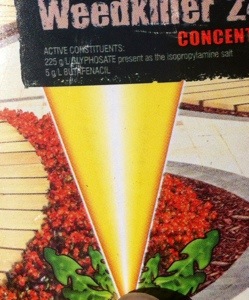
This is not quite a fish-specific topic, however, one of my colleagues is working on an issue whereby fish farmers and fishermen look to be affected by poisons that are affecting their fishes in a detrimental way (see https://thefishvet.com/?s=gladstone). And this article caught my attention because it suggests the use of different methodologies to assess toxicity since the current methods are inadequate. Also, for those who use Round-up (glyphosate) in their gardens or fields, this article might apply to you.

This article made the top 25 reads during the period October to December 2012 on SciVerse.

Some excerpts from the article to consider –

“Roundup provoked chronic hormone and sex dependent pathologies.”

“The first large detectable tumors occurred at 4 and 7 months into the study in males and females respectively, underlining the inadequacy of the standard 90 day feeding trials for evaluating GM crop and food toxicity”

“Reproductive and multigenerational studies will also provide novel insights into these problems.”

“the study presented here clearly demonstrate that lower levels of complete agricultural glyphosate herbicide formulations, at concentrations well below officially set safety limits, induce severe hormone-dependent mammary, hepatic and kidney disturbances.”

Learn more here: http://www.sciencedirect.com/science/article/pii/S0278691512005637

20130209-074017.jpg

Do vitamin C users who eat shrimp risk death from arsenic poisoning?

Recently I received a forwarded email with graphic images of a person with blood exuding from their eyes, nose and mouth, claiming that this fatality was caused by a combination of eating large amounts of vitamin C and prawns.

Is it true?

I quick search of clinical signs associated with acute arsenic toxicosis did not feature bleeding (http://www.ncbi.nlm.nih.gov/m/pubmed/20950314/).

Read more at: http://www.snopes.com/medical/toxins/shrimp.asp#XLGmXkzShQwZbJ5W.99

In this day and age, I just really wonder why people are still out there, disseminating misinformation. It makes my blood boil!

News Flash from Ornamental Fish International (OFI).

The following was taken from the OFI website.

Apple snails into Europe banned
Apple snails of the genus Pomacea will be prohibited for import and keeping into the European Union. A proposal was adopted in the past week and EU member States have to implement this. This has serious consequences for the aquarium trade. Not only will apple snails be banned for import, shipments of aquatic plants must have a declaration in the health certificate that they are inspected and found free of apple snails, and at arrival into the EU they will also be inspected. It will be prohibited to sell the snails in pet shops.
Reason for the ban is the outbreak of apple snails (Pomacea insularum) in Spain, in the Ebro delta, where they were found feeding on the rice plantations. The ban applies as from 8 November 2012. There is some space in the way Member States implement all restrictions.

EUS removed from EU list
As already announced the European Commission has drafted a proposal to remove Epizootic Ulcerative Syndrome from the European list of diseases. Last week the EU member States approved the text. This means that very soon new Health Certificates will be published with all references to EUS removed. The decision will be published soon.

CITES: new arowana species in appendix I
With the description of a new species of Arowana,Scleropages inscriptus, or Batik arowana it was unclear what would be the CITES status of this fish. For this reason CITES has provisionally recommended that the species should be seen as split off from S. formusus and that is should have the same status: Appendix I. At the next CoP in Bangkok, March 2013, the recommendation will be on the agenda.

Salmonella in turtles
Salmonella is often related to reptiles in the pet hobby. Some claims are exaggerated; other may have more serious consequences for the future. The Centers for Disease Control and Prevention and the Pennsylvania Health Department are investing an outbreak of salmonella associated with exposure to small pet turtles. The U.S. Food and Drug Administration also cautions against owning pet turtles, warning that salmonella can cause "diarrhea, fever, stomach pain, nausea, vomiting and headache.

EU import ban on Malaysian koi and goldfish continued
The inspectors of the European Food and Veterinary Office have published the report of their inspection of Malaysia The report mentions the many activities undertaken by the Malaysian Competent Authority, but also addresses the issues that are not (yet) in order. Although the basic structure seems to be in order now, parts like procedures to ensure proper enforcement, were only implemented less than a month before the FVO inspection. As a result many staff in the field were as yet not familiar enough with the procedures and backgrounds. Several other issues were not yet in order.
The report did not give the European Commission a reason to change anything in their position on exports of ornamental species to the EU. In other words: koi and goldfish are still banned for import into the European Union. Malaysia will have to prove that all measures implemented will provide the proper guarantees for the EU health requirements.


Invasive Species list Spain
At the end of December 2011 the Spanish government adopted new legislation (in Spanish) with respect to Invasive Alien Species. This legislation will have a serious effect on the ornamental fish industry. Spain will work with two black lists: Annexes I and II.

Annex I, the Catalogue, contains species that are no longer, allowed in Spain; not for import and not for keeping. There are transitional rules for people who now keep these animals. Species of interest for our industry in this Cataloque: 
Plants:Azolla spp., Cabomba carolineana, Egeria densa, Eichhornia crassipes, Elodea canadense, Fallopia japonica, Ludwigia spp (except L. palustris),Myriophyllum aquaticum, Pistia stratiotes, andSalvinia spp. 
Molluscs: Corbicula fluminea, andPomacea spp. (all species!)
Crustaceans: Cherax destructor, Pacifastacus leniusculus, andProcambarus clarkii. 
Fish: Ameiurus melas, Channa argus, Channa marulius, Channa micropeltes, Fundulus heteroclitus, Gambusia holbrooki, Ictalurus punctatus, Lepomis gibbosus, Pseudorasbora parva, and Pterois volitans.
Amphibians: Xenopus laevis.
Reptiles: Chrysemys picta and Trachemys scripta.


The second list is a list with species recognized as potentially holding a risk. As far as we have understood, regions within Spain can take measures against these species. This list is much longer and includes Carassius auratus, Cyprinus carpio and Poecilia reticulata. 


Singapore restricts exports of aquatic plants to the EU
In the last year the UK authorities intercepted a considerable number of aquatic plants from Singapore because they were infected with white fly (Bemisia tabaci). The government of Singapore (AVA) now takes strict measures and effective Monday 16th April 2012 the following species may no longer be exported to the European Union:

1. Alternanthera spp.

2. Hygrophila corymbosa
3. Hygrophila salicifolia
4. Cryptocoryne wendtii
5. Hemigraphis spp.

6. Anubias barteri
7. Echinodorus spp.

Apple snails banned into the EU?
The proposed EU legislation on apple snails now may not just result in a ban on import of all apple snails. The draft legislation also includes that aquatic plants may only be imported from countries or farms free of apple snails. If this would be adopted this could have disastrous effects on imports of aquatic plants from many places in the world, including South East Asia. In the Spanish risk assessment for apple snails the researchers state that about 95 of all imported aquatic plants originate from areas where apple snails occur in the wild. Currently OFI cooperates with several organizations and with governments to prevent this proposal being adopted. We will update you in more detail as soon as possible. We now look for information on total export value of aquatic plants from export countries in Asia to EU. If you have such information, or if you know where we could get this, please inform the secretariat.

ENGLAND AND WALES GO FOR KHV STATUS “INFECTED”
The competent authority of the United Kingdom, Defra, has informed the stakeholders as follows:
“Following a lengthy consultation exercise and evaluation of the possible benefits and likelihood of success, it has been concluded an eradication programme will not be undertaken for KHV disease in England and Wales.