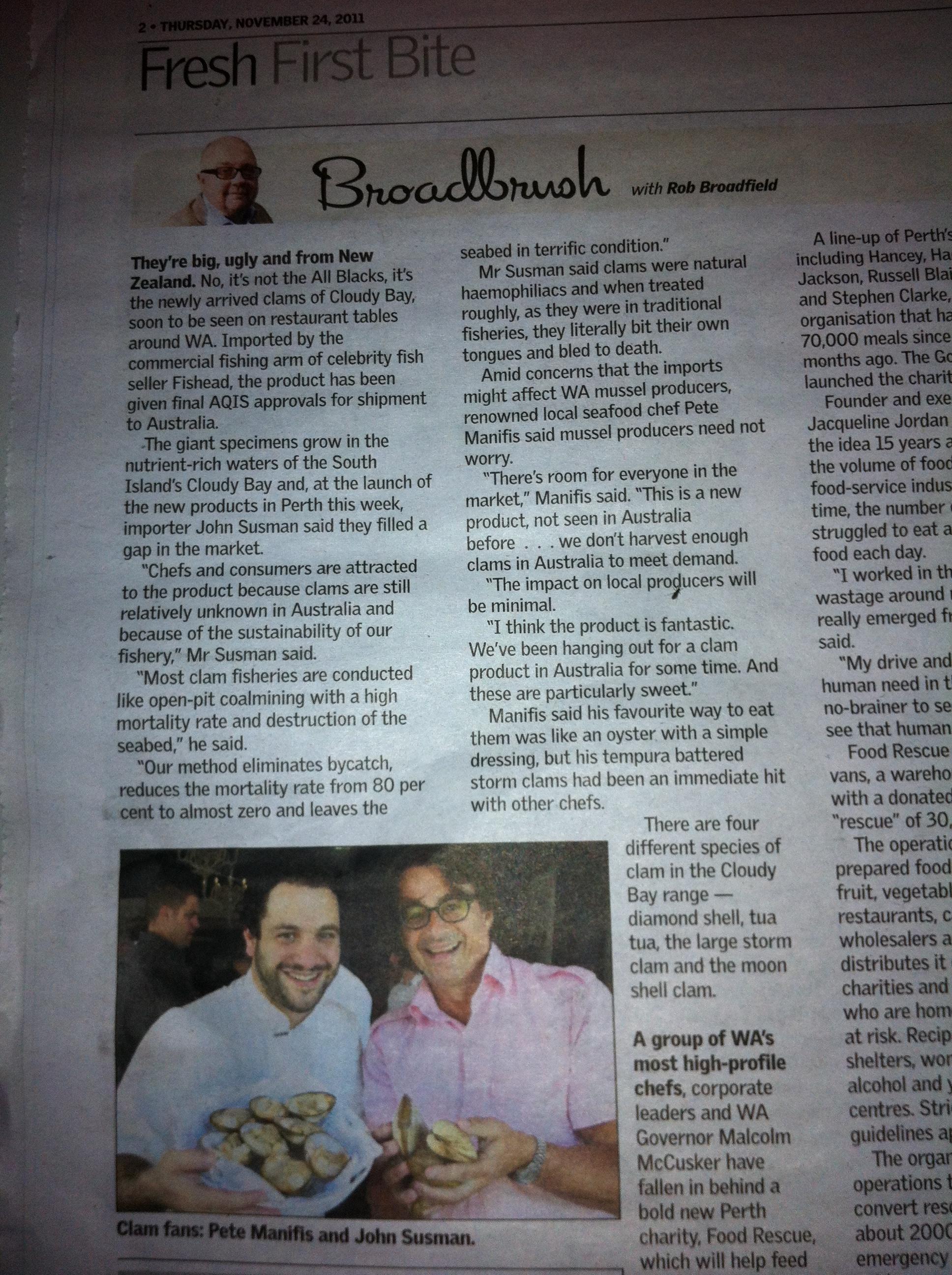
Herbal medicines can work in fish!

Believe it or not, Herbal medicines work in fish!

I have attended a house call where one of the fish owners was a Chinese herbal doctor. With the aid of some ginseng, she managed to bring back fish that was beyond the cure of western medicine.
The paper below provides scientific evidence/explanations on how these substances produce their effects.

From: Dr Richmond Loh<thefishvet>
Date: 29 November 2011 12:36:56 AWST
To: thefishvet
Subject: Recommended article on ScienceDirect

SciVerse Home ScienceDirect® Home

Recommended Articles

Sent By: Dr Richmond Loh
I thought you would find this useful on ScienceDirect.
1. Impact of plant products on innate and adaptive immune system of cultured finfish and shellfish Review Article
Aquaculture, Volume 317, Issues 1-4, 4 July 2011, Pages 1-15
Ramasamy Harikrishnan, Chellam Balasundaram, Moon-Soo Heo

Aquaculture is one of the fastest growing food-producing sectors around the world. Among various kinds of cultivated organisms many marine and freshwater finfish and shellfish species constitute an important industry with their production increasing every year. Recently due to intensive farming practices infectious diseases pose a major problem in aquaculture industry, causing heavy loss to farmers. A number of approaches have been made to control diseases including sanitary prophylaxis, disinfection, and chemotherapy with particular emphasis on the use of antibiotics. However, the application of antibiotics and chemicals in culture is often expensive and undesirable since it leads to antibiotic and chemical resistance and consumer reluctance. Therefore immunostimulants such as glucan, chitin, lactoferrin, levamisole, and some medicinal plant extracts or products have been used to control fish and shellfish diseases. In this regard the medicinal plant extracts and their products act as immunostimulants modulating the immune response to prevent and control fish and shellfish diseases. The immunostimulants mainly facilitate the function of phagocytic cells, increase their bactericidal activities, and stimulate the natural killer cells, complement, lysozyme activity, and antibody responses in fish and shellfish which confer enhanced protection from infectious diseases. Currently increased consumer demand for perfection in fish and shellfish farms has put new dimensions to the quality, safety, elimination of concomitant pollutants, antibiotics, and carcinogens during the production process. In this context plants or their byproducts are preferred since they contain several phenolic, polyphenolic, alkaloid, quinone, terpenoid, lectine, and polypeptide compounds many of which have been shown to be very effective alternatives to antibiotics, chemicals, vaccines, and other synthetic compounds. In aquaculture the herbal medicines are also known to exhibit anti-microbial activity, facilitate growth, and maturation of cultured species; besides under intensive farming the anti-stress characteristics of herbs will be of immense use without posing any environmental hazard. Administration of herbal extracts or their products at various concentrations through oral (diet) or injection route enhance the innate and adaptive immune response of different freshwater and marine fish and shellfish against bacterial, viral, and parasitic diseases. Even an overdose of immunostimulants may induce immunosuppression without side effects but helps to reduce the losses caused by disease in aquaculture. The present review describes the role of medicinal herbs and their products on innate and adaptive immune response of finfish and shellfish.

This email has been sent to you by ScienceDirect, a division of Elsevier B.V., Radarweg 29, 1043 NX Amsterdam, The Netherlands, Tel.+31 20 485 3911. ScienceDirect respects your privacy and does not disclose, rent or sell your personal information to any non-affiliated third parties without your consent, except as may be stated in the ScienceDirect online privacy policy.

By using email or alert services, you agree to comply with the ScienceDirect Terms and Conditions.

© 2011 ScienceDirect. All rights reserved. Any unauthorized use, reproduction, or transfer of this message or its contents, in any medium, is strictly prohibited. ScienceDirect® is a registered trademark of Elsevier B.V.

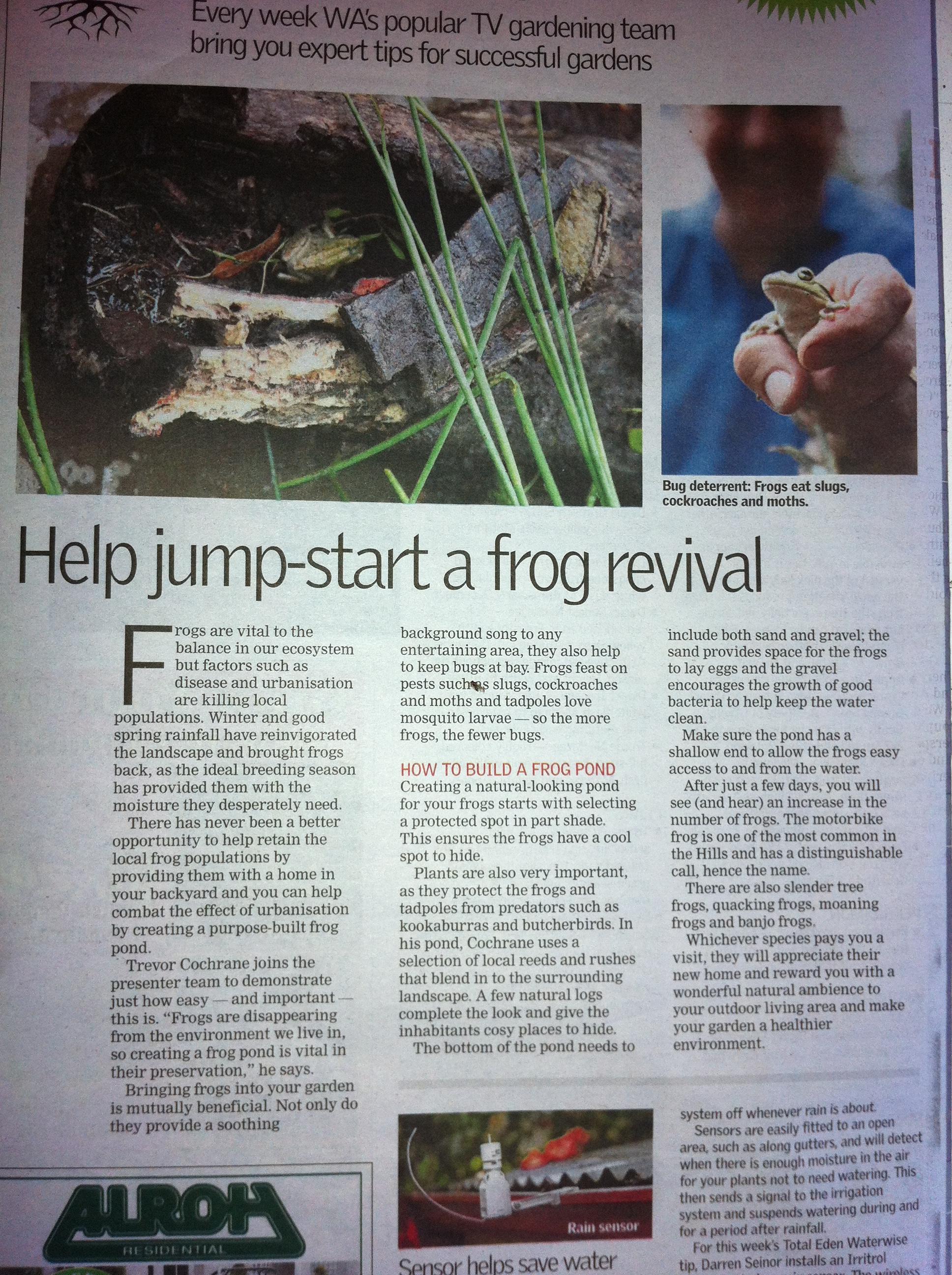
Nuts about fish!

One of my friends swears that his koi carp loves peanuts. I often wondered about this. This new study shows that peanuts may be suitable for certain fish (but it does not replace a varied and balanced diet).

Journal of Applied Aquaculture
Volume 23, Number 4 (October 2011)
The Potential of Groundnut (Arachis hypogaeaL.) By-Products as Alternative Protein Sources in the Diet of Nile Tilapia (Oreochromis niloticus)
Authors: N.W. Agbo 1
Author Affiliations:
1: Institute of Aquaculture, University of Stirling
Source: Journal of Applied Aquaculture, Volume 23, Number 4 (October 2011)
Page Numbers: 367 – 378
Available Full Text:
Full Text: Subscription Required to view full text
Format: PDF
Size: unknown
Location: Publisher’s Site
Authentication: EBSCOhost EJS
Abstract: The nutritional suitability and cost effectiveness of groundnut cake (GNC) and groundnut husk (GNH) as protein sources in the diet of Nile tilapia (Oreochromis niloticus), mean initial weight 4.24 ± 0.20 g, was evaluated over a 56-day growth period. Five isonitrogenous (320 gkg-1), isolipidic (100 gkg-1), and isoenergetic (18 KJg-1) test diets were formulated in which GNC proteins replaced fish meal (FM) protein at levels of 25% and 50%, and GNH protein at 10% and 20%. The control diet had FM as the sole protein source. The growth experiment was conducted in plastic tanks in a recirculation system; each dietary treatment was in triplicate. After feeding fish at 4%–6% body weight per day, GNC and GNH protein replacements up to 50% and 20%, respectively, did not significantly (P < 0.05) affect growth and feed utilization. The study indicated that GNC and GNH protein could replace at least 50% and 20% of fish meal protein, respectively, in the diet of O. niloticusfingerlings without adversely affecting growth, feed efficiency, whole body composition, and nutrient digestibility. Generally the GN by-products-based diets were more cost-effective than the fish meal-based diet, particularly GNH replacing 20% fish meal protein.
Citation: N.W. Agbo . The Potential of Groundnut (Arachis hypogaeaL.) By-Products as Alternative Protein Sources in the Diet of Nile Tilapia (Oreochromis niloticus). Journal of Applied Aquaculture, Volume 23, Number 4 (October 2011), pp. 367-378,
URL: http://ejournals.ebsco.com/direct.asp?ArticleID=4FDEB60156B609A0CEE6

Free copies of Fish Vetting Essentials

Free copies of Fish Vetting Essentials will be given away to celebrate the 1 month anniversary of its release!

The first 3 buyers of the portable microscope during the month of December will receive two complimentary copies of the Fish Vetting Essentials book.

That’s a value of $200! One for a friend and one for keeps!

Check out the online store –
http://thefishvet.com.au/shop/shopping.html

Scandinavian countries move towards less wasteful fishing practices

Scandanavian fisheries ministers sign agreement prohibiting fish discards
http://www.fishupdate.com/news/fullstory.php/aid/16637

FISHERIES ministers from Norway, Sweden and Denmark have signed a joint declaration to prohibit discarding of fish in the Skagerrak from 2013.

Discarding of fish is a huge problem in fisheries worldwide and is caused by fish being caught that are over quota, unmarketable or cannot be landed.

Louize Hill, head of Marine &amp; Fisheries Policy at WWF European Policy Office, said: “Discarding of fish is a terrible waste of marine resources. Together with overfishing, this represents a massive threat for the world’s fish stocks. Banning discards can be an effective way to end this waste, when accompanied with measures to stop the fish that would be discarded being caught in the first place.”

Norway already has a discard ban accompanied by regulations that aim to reduce bycatch. At present in the EU, however, fishermen are required to discard fish that cannot be legally landed because they are below a certain minimum size, or are over quota, and there are few incentives for fishermen to adopt selective fishing practices that would mean these fish would not be caught in the first place.

“The Common Fisheries Policy has not halted overfishing in the past decades, and so is under reform to try and address this. Tackling discards is high on the agenda of the Commission,” continues Louize Hill. “But, a ban alone is not enough, we need accountability for catches as well as selective fishing gear and practices to be in place at the same time.”


Yours sincerely,

Dr Richmond Loh
BSc BVMS MPhil MANZCVS (Aq & Pathol)
The Fish Vet, Perth, Western Australia.
Veterinary Medicine for fish.
http://www.thefishvet.com.au
Ph: +61 (0)421 822 383

Abalone anatomy, requirements and testing in a snap shot

All you ever wanted to know about abalone is here in this short document. It contains information on their anatomy (form & function), their biological and environmental requirements as it pertains to abalone farming and also routine diagnostic techniques used to investigate abalone health and diseases.

Summary – Abalone anatomy, biology, requirements and lab testing protocols

EU proposes ban on shark finning

> ACTION ON SHARK FINNING WELCOME
> http://www.fishupdate.com/news/fullstory.php/aid/16623
>
>
>
> Commission follows Scotland’s lead to strengthen ban on “barbaric” shark finning. >
> The European Commission has adopted a proposal for a complete ban on the practice of shark finning – where fins are sliced off sharks when vessels are at sea, and the dead or dying shark is thrown back to sea. This will now require to also be signed off by the European Parliament before it comes into force. >
> The move follows the Scottish Government’s lead, which strengthened the shark finning ban for Scottish vessels in January 2010, the first country to do so. >
> Scottish Fisheries Secretary Richard Lochhead said: “Sharks are part of Scotland’s rich marine biodiversity and I am delighted that the Commission has finally seen sense and followed our lead by closing loopholes in the shark finning ban. Until now it has been possible for other EU vessels to remove fins from sharks when in our waters, therefore I’m relieved that this is to be addressed and call on all MEPs to support the strengthened ban. >
> “Some shark populations are very vulnerable and shark finning is no more acceptable than the elephant ivory hunters of the last century. There is no place for such destructive and wasteful practices in a modern, sustainability-focused fishing industry. >
> “I urge the Commission to continue to look at Scotland’s example for progressive measures to protect sharks. In June we announced new rules, which will come into force next year, to further increase protection for vulnerable species, including preventing fishermen landing some shark species and only permitting catch and release by anglers.” >
> In June the Scottish Government announced new m asures to protect vulnerable species of shark, skate and ray. Find out more at: http://www.scotland.gov.uk/News/Releases/2011/06/23155002 >
> Details on the European Commission announcement can be found at: http://ec.europa.eu/fisheries/index_en.htm >
>

Suicide Prevention among veterinarians

FYI

This is written mainly from the perspective of private practitioners, but other vets also suffer from stresses. The problem doesn’t only affect private vets.

Please pass on to any other vets you may know to spread the word.

Contact Details

Brian Mc Erlean MVB MRCVS

Community Coordinator

Next Gatekeeper Course ( 9.30 am – 4.30pm with lunch provided) is over two Saturdays 10th and 17th December 2011

There are still places available and it is free to you but paid for through Government funding.
You have to be a veterinarian to attend but you do not have to be an AVA member.

For more information:

nervoustransmitter

Powerpoint Presentation for veterinarians Nov 2011 Vers 5.ppt

PHYCOTOXINS: New release: M&G 59: el diseño y puesta en marcha de un plan de seguimiento de micr oalgas productoras de toxinas.

From: Henrik Enevoldsen <h.enevoldsen>
Date: 23 November 2011 8:01:47 AWST
To: PHYCOTOXINS
Subject: [PHYCOTOXINS:] New release: M&G 59: el diseño y puesta en marcha de un plan de seguimiento de microalgas productoras de toxinas.
Reply-To: Henrik Enevoldsen <h.enevoldsen>

New Release:

IOC Manuals and Guides, no. 59.: Guía para el diseño y puesta en marcha de un plan de seguimiento de microalgas productoras de toxinas. Reguera, B., Alonso, R., Moreira, A. and Méndez, S. IOC of UNESCO and IAEA, Paris y Viena, 2011. (Spanish only).

A new manual for field sampling and monitoring of harmful microalgae is available from the IOC in cooperation with IAEA (Spanish only). The manual can be downloaded as a pdf-file here <http://www.ioc-unesco.org/hab/index.php?option=com_oe&task=viewDocumentRecord&docID=8124> .

IOC Manuals and Guides, no. 59.

Este nuevo manual de COI en cooperación con OIEA está dirigido a los científicos latinoamericanos responsables de implementar programas de monitoreo de la presencia de microalgas potencialmente tóxicas en sus aguas dedicadas a explotaciones de mariscos y peces. Constituye una introducción a las técnicas fundamentales a aplicar y a los criterios a considerar para diseñar un plan homogéneo de muestreo de microalgas (planctónicas y bentónicas) y factores ambientales. Esto permitirá obtener datos comparables entre los países y una mejor evaluación del riesgo de episodios de algas potencialmente tóxicas en América Latina y el Caribe.

Henrik Enevoldsen

Intergovernmental Oceanographic Commission of UNESCO

IOC Science and Communication Centre on Harmful Algae

Visit the IOC HAB website http://www.ioc-unesco.org/hab <http://www.ioc-unesco.org/hab>

IOC is the Intergovernmental Oceanographic Commission of UNESCO

********************************************************************

!!! Replies go to the sender !!!
The address of this list is Phycotoxins
Should you require any assistance, contact Don Richard at
Don.Richard or John White at John.White
To leave, send “signoff Phycotoxins” to listserv
Archives are located at http://www.agr.gc.ca/archives/phycotoxins.html