What does coloured water mean? Are fish diseased?.

Ever walked past an aquarium in a shop with coloured water? Never buy fish from an aquarium with coloured water. Why? It most likely means that the fish are being treated for some sort of
disease.

Some medications cause discolouration to the water. Can we tell what they are being treated with and then what they’re being treated for?

I’ve written a short list of commonly used drugs that are readily available from the local fish store.

Brown = tetracyclines = treating for bacterial infection.

Yellow = acriflavin = treating for bacterial infection.

Pink/purple = potassium permangenate = treating for bacterial infection or fungal infection.

Blue = methylene blue = treating for bacterial infection.

Green = malachite green = treating for fungal or protozoal infection.

Do you know other colours?

As an aside…

I’ve actually been to an aquarium store once where the sales staff tried to convince me that there was nothing wrong with the fish in the green water and that they would catch the fish to sell to me if I was interested!

Is your local fish shop selling fish responsibly?

More on the diseased fish and turtles in Gladstone harbour.

From: AquaticHealth.net
Date: 27 April 2012 6:36:14 AWST
To: “thefishvet”
Subject: New Comment

New comment on report Tests Fail to Find Dredging Link to Sick Fish: http://aquatichealth.net/node/45354.

Comment:

The presence of diseased fish and turtles in Gladstone harbour now (2012) cannot be linked back to an acute flood event in 2010. It is much more likely the fish are suffereing from chronic stress due to a variety of insults, of which dredging is but a part. For a review of the problem, see the report of the scientific advisory panel at http://www.derm.qld.gov.au/gladstone/pdf/gladstone-sap-report.pdf


AquaticHealth.net

What’s your favourite fish?

Tell us or Post a picture of your favourite fish on The Fish Vet’s facebook fan page:
http://facebook.com/thefishvetdrloh

Why is it your favourite?

How much is your electricity costing you?

I just received my energy bill and it made me think about this topic.

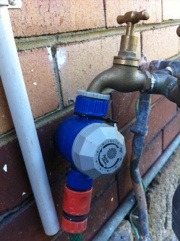
Whether you’re running an ornamental fish tank, pond, public aquaria, aquaponic system or aquaculture, electricity costs may be an important factor. So, how much does it cost to run your system/s?

A quick anagram to help you remember the equation is “C pet”.

C = P x E x T

;

Where …

C = Cost of power per day

P = Price of power per kilowatt hour

E = Energy consumption in kilowatts

T = Time the equipment is on per day

;

To put this into practice, we will consider only the cost of electricity for equipment that is running continuously (e.g. water pump, air pump, UV steriliser, protein skimmer, computer/electronic devices).

To give a simple example, if the cost of power is $0.199 per kWh (P) and there are 2 x 600W pumps on (E) for 24 hours per day (T), the daily cost (C) of electricity would be $5.73 (i.e. $0.199 x 1.2kW x 24).

In a year, this would add up to over $2090!

So, it makes sense to buy equipment that has high energy efficiency since saving a few dollars on a product at purchase could cost you hundreds in the longer term.

BTW, mine adds up to over $600/y (and this is after “scaling” down).

Omega-3 Fish Oil: Separating Fact From Fiction.

From Medscape Ob/Gyn > Manson on Women’s Health

http://www.medscape.com/viewarticle/762318?src=mp&spon=38

Omega-3 Fish Oil: Separating Fact From Fiction
JoAnn E. Manson, MD, DrPH
Authors and Disclosures
Posted: 04/20/2012
Listen to Audio

Watch Video

Hello, this is Dr. JoAnn Manson, Professor of Medicine at Brigham and Women’s Hospital and Harvard Medical School. I would like to talk with you today about the marine omega-3 fatty acids (fish oil) and prevention of cardiovascular disease, separating fact from fiction.

Another dietary supplement is in the news recently, and it seems to be another flip-flop message where conventional wisdom is being overturned by randomized clinical trials. The study was published in the Archives of Internal Medicine [1] recently, a meta-analysis of 14 randomized trials conducted by the Korean Meta-analysis Study Group, reaching the conclusion that omega-3 supplements do not prevent cardiovascular disease.

Several points should be kept in mind. First, all of these randomized trials were secondary prevention trials. These were high-risk participants. Also, many of these trials were short-term, with an average duration of only 2 years. Some of the trials were as short as 1 year. A wide range of doses was tested — as little as 400 mg in some trials — with an average dose of 1.7 g daily. [Editor’s note: Dr. Manson made these observations in a commentary on the study, also published in Archives of Internal Medicine. [2]]

But most important, because all of these trials were secondary-prevention high-risk studies, many of the participants were taking other medications, such as statins, aspirin, angiotensin-converting enzyme (ACE) inhibitors, beta-blockers, and medications that may have interfered with the ability to detect a moderate benefit from omega-3s. This is why it is particularly important that randomized trials of omega-3s be done in primary-prevention trials, with average-risk populations. Such trials have not yet been published. Our research group is conducting a primary-prevention trial (the vitamin D and omega-3 trial) in a usual-risk population.

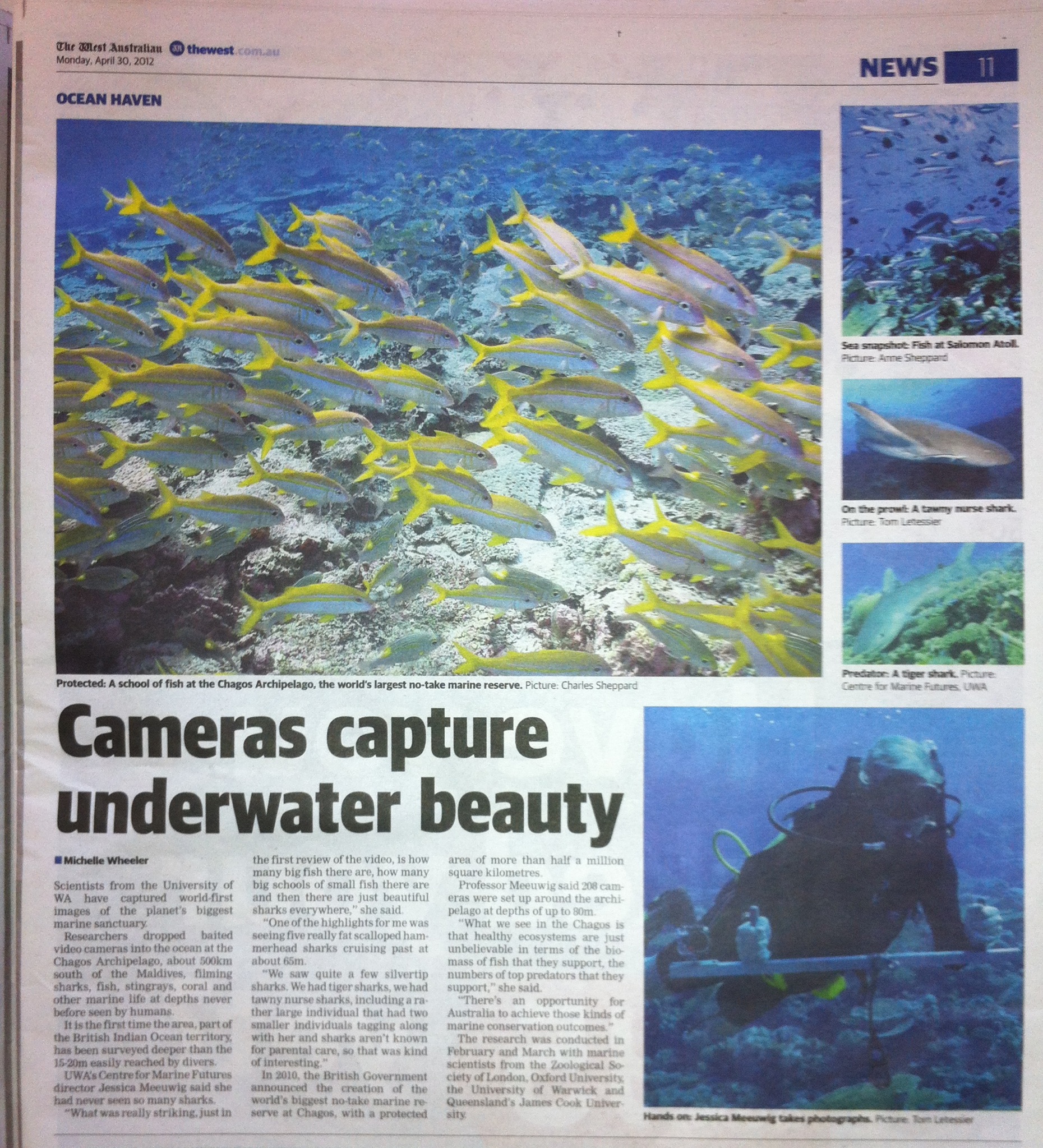
While waiting for the results from these additional primary-prevention trials, what can clinicians do? It is still important to recommend regular consumption of fish for our patients. The American Heart Association recommends at least 2 servings per week of fish, and it is best to recommend the dark, fatty fish that are high in EPA/DHA such as salmon, mackerel, tuna, herring, and sardines. A diet that is high in fish has been linked to a reduced risk for cardiovascular disease in many observational studies.

Furthermore, the fish would replace less healthful sources of protein, such as red meat or processed meats high in saturated fats. For patients who don’t eat fish (eg, vegetarians and vegans), it would be worthwhile to recommend increased intake of alpha-linolenic acid (ALA) or plant-derived sources of omega-3, such as flaxseed, canola, and soybean oil.

Overall we should still be recommending a diet that is high in fish. The omega-3s still have a role in the treatment of high triglyceride levels, including the prescription omega-3s. This specific issue was not addressed by these trials. At the present time, there isn’t conclusive evidence that recommending fish oil supplements will prevent cardiovascular events. Stay tuned for additional research.

Thank you very much for your attention. This is JoAnn Manson.

References

Vulnerability of carp larvae to copepod predation.

One of the major problems with raising fry in outdoor ponds is that they can fall prey to numerous larger predators. How do you avoid or minimise this?

One of the clever tricks shared with me at the local koi club meeting is how to avoid predation of fry by aquatic invertebrates without the use of chemicals.

Time your pond setup with when you’re introducing your eggs or fry. This means not to establish the pond too early that invertebrates have the chance to grow big enough to eat the baby fish.

The other way is to place some large fish in the pond to eat up the invertebrates and then removing the adult fish prior to introducing your fry or eggs.

The paper below delves into greater detail about other factors that can help improve larval fish survival.

;

;

;

Aquaculture
Volume 341, Number 5 (March 2012)
Vulnerability of carp larvae to copepod predation as a function of larval age and body length
Authors: Ram Kumar, Sami Souissi, Jiang-Shiou Hwang
Author Affiliations:
no affiliations available
Source: Aquaculture, Volume 341, Number 5 (March 2012)
Page Numbers: 274 – 283
Available Full Text:
Full Text: Subscription Required to view full text
Format: PDF
Size: Unknown
Location: Publisher’s Site
Authentication: Publisher’s Site
Abstract: Several marine and freshwater predatory copepods (Labidocera, Pontellopsis, Mesocycopsand Acanthocyclops) exhibit a wide dietary niche, ranging from protists, rotifers, cladocerans, copepods, to insect and fish larvae. Predation-induced fish larval mortality in natural environments and hatcheries reduces larval abundance and may limit fish recruitment. However, few studies quantified the losses incurred by copepod predation. Therefore, this study quantified vulnerability, susceptibility, and loss of two crucial fish, Labeo rohitaand Catla catla, to cyclopoid predation in relation to larval age and body length under laboratory conditions. In addition, we compared susceptibility of fish larvae to the copepod (Mesocyclops thermocyclopoidesand Mesocyclops aspericornis) predation in the laboratory, based on probability of survival after attack in relation to age and size of the larvae. We also evaluated the modulatory role of alternate zooplankton species as common prey of fish larvae and copepods. Both cyclopoid species were able to subdue and kill both species of fish larvae. The two cyclopoid species did not differ considerably in their predation efficiency on larvae; the larvae of C. catlaand L. rohitadid not differ considerably in their respective vulnerability to cyclopoid predation. In both species of fish larvae, the copepod-imposed mortality was inversely related to larval age (R2=0.97) and body length (R2=0.93). The effect of alternate prey on copepod-imposed mortality was species-specific to prey. The presence of Paramecium caudatum, Brachionus calyciflorusand Ceriodaphnia cornutaresulted in decreased mortality of fish larvae by the copepod; however, the larvae were more susceptible to copepod predation in the presence of either Hexarthra miraor Daphnia similoidesas alternate prey. The copepod-induced mortality of carp larvae was recorded, even in multispecies prey environment; however the mortality was considerably less than that in control. Overall, the maximal reduction (40–100%) in copepod-imposed larval mortality was achieved by the Rotifera B. calyciflorus, followed by the Cladocera C. cornutaand ciliate P. caudatum. The modulatory effects of the presence of alternate prey were more pronounced after fish larvae reached 4days post hatch (dph). The susceptibility of carp larvae to copepod predation differed ontogenetically with maximal susceptibility between 0 and 4dph. Threshold level for copepod-imposed mortality was estimated with bilinear model, which ranged from 5.2 to 8.4dph and 6.8 to 7.8mm body length. Our results provide insight and valuable inputs for enhancing the efficiency of nursery rearing.
Citation: Ram Kumar, Sami Souissi, Jiang-Shiou Hwang . Vulnerability of carp larvae to copepod predation as a function of larval age and body length. Aquaculture, Volume 341, Number 5 (March 2012), pp. 274-283, ;
URL: http://ejournals.ebsco.com/direct.asp?ArticleID=460F99610C8F84634964

How to use NOVICE?

An online meeting will be held on 8 May 2012 at 15:00 CET.

The time in Perth, Western Australia will be 21:00.

Check out this link for more information.

http://www.noviceproject.eu/pg/newsletter/viewonline/165960

Koi magazine… reviews Fish Vetting Essentials.

As evidenced by the health section on the Koimag online forum, keeping Koi disease-free and in top condition is of paramount importance.
What’s also obvious is the thirst for knowledge on this subject, as there are so many ailments and conditions that can affect
your fish. Although aimed at vets, Fish Vetting Essentials by Dr Richmond Loh and Dr Matt Landos makes for a fascinating read. Covering a wealth of topics in a thorough yet accessible manner, it not only looks at fish health, but also provides information about different species, along with chapters devoted to ponds, equipment and aquarium setups. Water quality is also given a substantial section with easily digestible breakdowns of target parameters. This comprehensive guide will make a useful addition to any pond keeper’s bookshelf.

Koi173_book review


Click here for Sample ePages.


To order your copy of the latest Fish Vetting Essentials (only $A99 per copy plus $A15 for postage and handling within Australia), visit www.thefishvet.com.au or click here to proceed directly to the shopping cart.

Aquatic Health Net

AquaticHealth.net (www.AquaticHealth.net) — a free open-source intelligence gathering and analysis network for aquatic animal diseases.

Gathering, storing, sharing and analysing information on the health status of aquatic animals — including finfish, molluscs and crustaceans — around the world presents a particular challenge. Official reporting of pests and diseases in these species, and unofficial reports in the media or in systems such as ProMED (see: http://www.promedmail.org/), do not feature as prominently as, for example, reports of outbreaks in people or animals such as cattle (e.g. foot-and-mouth disease) or poultry (e.g. H5N1 avian influenza or ‘bird flu’). Geoff Grossel and Mike Nunn in the Australian Government Department of Agriculture, Fisheries and Forestry (DAFF) recognised this gap and worked with Aidan Lyon and Mark Burgman of the Australian Centre of Excellence in Risk Analysis (ACERA) to develop an innovative information technology solution that has dramatically improved the capacity for intelligence-gathering and analysis in aquatic animal health: AquaticHealth.net (see: http://www.AquaticHealth.net).

The team developed a system for searching internet sites worldwide and collating all information available on aquatic animal diseases and signals, such as market prices, that can give early warning of outbreaks occurring. The system automatically removes duplicates and collates all relevant reports into a summary that an analyst can quickly scan each day. The daily summary keeps critical information such as the location of outbreaks and enables geocoding and storage of detailed information on a world map for easy storage, retrieval and analysis of patterns and trends over time. The system offers the opportunity to share, store, collate and analyse open-source information on aquatic animal health. Users can easily focus and fine-tune the search system to their own specific areas of interest (e.g. by disease, host species or geographical location).

AquaticHealth.net gathers between 50 and 100 articles daily using a list of search terms entered by the intelligence community users. Of these, only about 10 articles are published and tagged by users as useful. Of the published reports, the system tags about 10 articles each week as ‘disease news’. Over time, this builds into a collection of information that enables analysts to identify and interpret emerging issues and trends. It can sometimes be difficult initially to determine what is relevant information, so the system archives all the data and information it gathers.

AquaticHealth.net includes a range of user-friendly tools such as search terms and tags, daily scans, published reports, maps, wikis, research news, industry news and RSS feeds. It automatically detects Through the wiki pages, users can edit and update entries on diseases and other topics related to aquatic animal health. Each wiki page about aquatic animal diseases also includes a forecasting section, in which users can make and debate forecasts of disease outbreaks that may affect aquatic industries. The system effectively ‘learns’ what is relevant from what information that is kept and published on the website, relying on users to decide what is relevant and what is not. This innovative approach of using a balance of programmed automation with the ‘wisdom of crowds’ underpins the system’s success.

The analysis identifies patterns and trends that can be used to forecast likely future events as input to strategic decision-making. One of the aims of building AquaticHealth.net was to lift planning horizons from three-day ‘reactive’ and three-month ‘tactical’ focus to a strategic one that explores what might be coming in the next 5–10 years. Analysts can determine what needs to be done now to be best prepared to meet these challenges — what is important is not ‘predicting’ what will happen, but being more prepared to engage with whatever may happen.

Emerging trends in aquatic animal diseases each six-months are collected and entered into the ‘emerging diseases’ wiki. A quarterly report is produced from the wiki and provided to various Australian government committees responsible for aquatic animal health. The report allows the committees to monitor potential emerging disease threats and to recommend response actions on significant issues as required.

AquaticHealth.net can be used to capture emerging disease information, analyse disease trends, map diseases, organise data, forecast disease events, provide biosecurity alerts, build biosecurity risk profiles and support decision-making relating to imports and exports. Some of the forecasting applications have already proven to be accurate and potentially very useful for improving biosecurity planning. The approach is now being extended to other areas where there is a similar lack of such capacity internationally, including plant health.