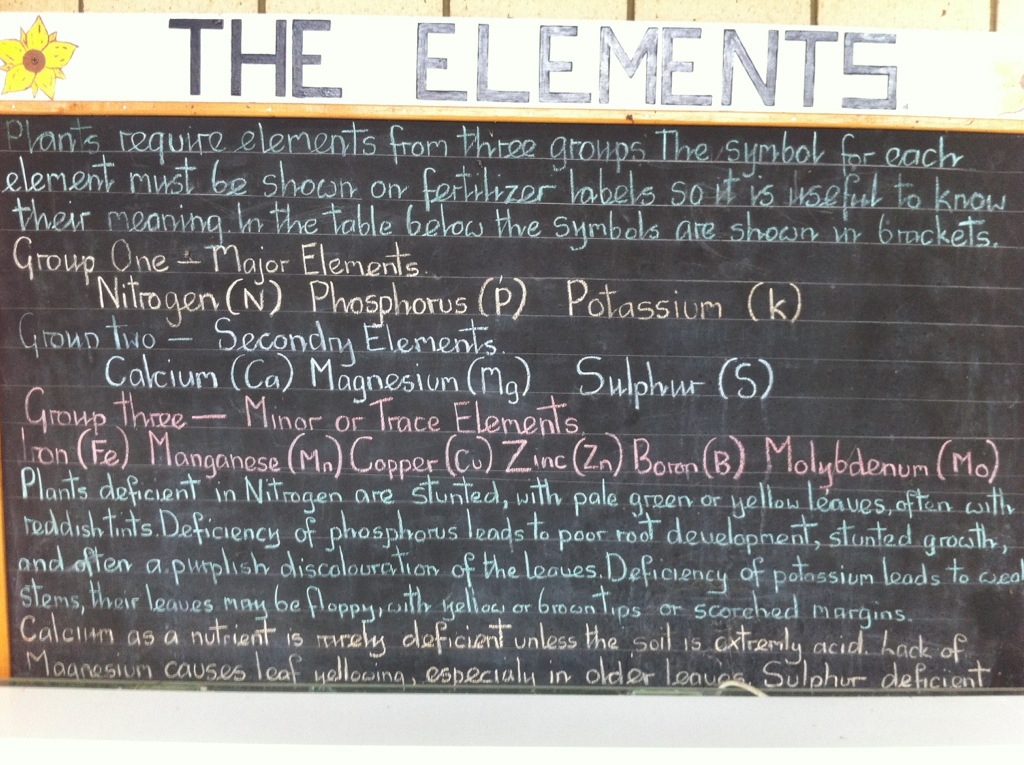
Found this on a blackboard at the Backyard Aquaponics store in Jandakot last Saturday.
All about Fish Vetting – Dr Richmond Loh
Found this on a blackboard at the Backyard Aquaponics store in Jandakot last Saturday.
Check these out. Shared by Dr Bannister.
Love the Nemo one the best!
http://www.pleated-jeans.com/2012/05/15/anatomy-of-sea-life-8-pics/
Back in 2004/2005, I had the opportunity to visit an oyster farm in Moreton Island, just east of Brisbane, Australia. I saw a great number of sea cucumbers (also called “sand fish” or even “sea turds”!) around the place and wondered why haven’t anyone thought of culturing these critters. I’m not a big fan of sea cucumbers (which are not vegetables, but are related to starfish) myself, but I brought that idea up with the oyster farmer. I believe he’s been working on this side of his business since then.
One of my friends quoted me this though,”“Sell a man a fish, he eats for a day, teach a man how to fish, you ruin a wonderful business opportunity.”
| Aquaculture | |||||||||||||||||
| Volume 369, Number 1-2 (November 2012) | |||||||||||||||||
 |
Sea cucumber culture, farming and sea ranching in the tropics: Progress, problems and opportunities | ||||||||||||||||
| Authors: | Steven W. Purcell, Cathy A. Hair, David J. Mills | ||||||||||||||||
| Author Affiliations: |
|
||||||||||||||||
| Source: | Aquaculture, Volume 369, Number 1-2 (November 2012) | ||||||||||||||||
| Page Numbers: | 68 – 81 | ||||||||||||||||
| Available Full Text: |
|
||||||||||||||||
| Abstract: | Tropical sea cucumber mariculture has potential to become a profitable industry and contribute towards natural population replenishment. Here, we synthesise the fields of progress, current impediments and research opportunities in tropical sea cucumber aquaculture arising from recent studies and an Indo-Pacific symposium. We present novel comparisons of data from hatcheries, earthen ponds and sea pens from published and unpublished studies in various countries. Of the few tropical species to have been cultured, only the sandfish Holothuria scabrahas been bred extensively. While risks from hatchery-produced sea cucumbers are recognised, more genetic research is needed in farming and sea-ranching programmes. Advances have been made in the culture and nursery rearing of tropical sea cucumber juveniles but few have been published. Sandfish larvae have now been grown successfully on just one microalga species, but experimental studies to optimise culture conditions are needed urgently. Disease of tropical sea cucumbers in culture is infrequent but the treatment of disease and parasites is understudied. Earthen ponds are currently most effective for nursery rearing of juvenile sandfish to a size for stocking. Growth rates and survival of sandfish in ponds to market size are also favourable, and should improve via studies on stocking density, feeding regimes and pond management. Sea pens confer ownership of released stock and can provide a means of limiting predation in natural habitats but the costs of materials, maintenance and surveillance against poaching can diminish profitability. Sea ranching has minimal material costs but needs a large leased area and may require juveniles to be marked prior to release. Retail prices of sandfish in Hong Kong increased exponentially with body size. A cost-benefit analysis illustrated that labour and utility costs in pond farming will preclude profitability of monoculture in some cases, forcing proponents to look towards co-culture or gamble with uncertain survival in sea ranching. Better governance and consultation regarding the stocking of sea cucumbers have been advocated. We conclude that well-designed experiments and meta-analyses are needed to fill critical knowledge gaps if sea cucumber mariculture is to expand in the tropics as it has in temperate Asia. Co-culture remains a burgeoning frontier despite poor success of initial studies. Sea cucumbers have superb potential to diversify mariculture industries in the tropics and potentially ameliorate the detrimental effects of mariculture on coastal ecosystems. | ||||||||||||||||
| Citation: | Steven W. Purcell, Cathy A. Hair, David J. Mills . Sea cucumber culture, farming and sea ranching in the tropics: Progress, problems and opportunities. Aquaculture, Volume 369, Numbers 1-2 (November 2012), pp. 68-81, <http://ejournals.ebsco.com/direct.asp?ArticleID=40398E174CF298AB5094> | ||||||||||||||||
| URL: | http://ejournals.ebsco.com/direct.asp?ArticleID=40398E174CF298AB5094 | ||||||||||||||||
These researchers found a novel approach on how to investigate and quantify it using canthaxanthin (a carotenoid pigment).
| Aquaculture | |||||||||||||||||
| Volume 367, Number 8 (November 2012) | |||||||||||||||||
|
Canthaxanthin as a potential tracer of salmon feed in mussels (Mytilusspp.) and sea urchins (Strongylocentrotus droebachiensis) | ||||||||||||||||
| Authors: | Carissa M. Graydon, Shawn M.C. Robinson, Robert E Scheibling, J. Andrew Cooper | ||||||||||||||||
| Author Affiliations: |
|
||||||||||||||||
| Source: | Aquaculture, Volume 367, Number 8 (November 2012) | ||||||||||||||||
| Page Numbers: | 90 – 97 | ||||||||||||||||
| Available Full Text: |
|
||||||||||||||||
| Abstract: | The large amount of fish feed involved in salmon aquaculture results in high nutrient loading to the surrounding environment. The near-field effects of this loading are well documented but the full zone of influence, or far-field effect, remains poorly understood. We investigated the potential of the carotenoid canthaxanthin, a common additive in farmed Atlantic salmon diets, as a biochemical tracer to identify this zone of influence in two benthic invertebrate species that are locally abundant around salmon farms: the blue mussel Mytilus edulis(or Mytilus trossulus), a suspension feeder, and the green sea urchin Strongylocentrotus droebachiensis, an omnivorous grazer. To measure persistence of canthaxanthin in the digestive gland of mussels or the gonad of sea urchins, both species were individually fed three levels of salmon feed (6, 13, 26mgd-1for mussels; 70, 150, 300mgd-1for sea urchins) for 13d to measure pigment uptake rates, followed by a non-pigmented diet for 7d to measure pigment loss rates. Mussels exhibited a relatively rapid uptake of canthaxanthin (1 to 3d), which subsequently declined to zero within 3d following cessation of the pigmented diets. The sea urchins exhibited slower initial uptake (4 to 10d) and the pigment signal lasted up to 46d, suggesting retention of canthaxanthin. To examine the scale of dispersion of feed-derived particulate material in nature, canthaxanthin uptake by sea urchins was measured at fixed intervals along a transect extending 1km from a salmon cage in Passamaquoddy Bay, New Brunswick, Canada. Pigment concentration in the gonad dropped from ~5 to 0.5µgg-1within the first 100m from the cage and remained at this low level along the remainder of the transect, likely reflecting low background levels of salmon farm-derived particles within the bay. Our study demonstrates the potential of canthaxanthin as an organic tracer for salmon aquaculture, and the use of blue mussel digestive gland for short-term detection and sea urchin gonad for long-term detection, in accordance with the rapid ingestion and nutrient storage functions of the respective tissues. | ||||||||||||||||
| Citation: | Carissa M. Graydon, Shawn M.C. Robinson, Robert E Scheibling, J. Andrew Cooper . Canthaxanthin as a potential tracer of salmon feed in mussels (Mytilusspp.) and sea urchins (Strongylocentrotus droebachiensis). Aquaculture, Volume 367, Number 8 (November 2012), pp. 90-97, <http://ejournals.ebsco.com/direct.asp?ArticleID=49E195D9EA2562B089FE> | ||||||||||||||||
| URL: | http://ejournals.ebsco.com/direct.asp?ArticleID=49E195D9EA2562B089FE | ||||||||||||||||
A paper studying the effects of repeated fish handling found that fish with opercular and spinal deformities had higher mortality rate compared to fish without deformities; females tended to have higher mortality rate than males; and each additional hour of residence time in seine had a greater effect in first-year sampling events compared to second-year sampling events. For more details check out the article below.
| Aquaculture | |||||||||||||||||
| Volume 369, Number 1-2 (November 2012) | |||||||||||||||||
| |
Post-handling mortality during controlled field trials with marine grow-out Atlantic salmon, Salmo salarL. | ||||||||||||||||
| Authors: | Timothy Burnley, Henrik Stryhn, K. Larry Hammell | ||||||||||||||||
| Author Affiliations: |
|
||||||||||||||||
| Source: | Aquaculture, Volume 369, Number 1-2 (November 2012) | ||||||||||||||||
| Page Numbers: | 55 – 60 | ||||||||||||||||
| Available Full Text: |
|
||||||||||||||||
| Abstract: | During the course of a multi-site clinical field trial comparing the field effectiveness of Atlantic salmon (Salmo salarL.) vaccines, an opportunity arose to examine the potential effects of repeated fish handling on the controlled trial outcome. Fish-level data obtained by seining, dip-netting and anesthetizing each of the fish among eight study populations comprising approximately 6000 individually tagged fish per group, provided detailed follow-up for the planned clinical trial. However, the stressful conditions generated during the sampling process resulted in variable post-handling mortality which also provided the unplanned opportunity to evaluate the effect of field procedures on survival. A multilevel mixed effects logistic regression model was used to analyze factors related to mortality occurring in the two-week period following scheduled fish handling events. Data on individual fish level characteristics such as weight, length, sex, physical deformities, lesions, vaccine group allocation, days since vaccination, days since transfer to seawater, and elapsed time spent in the seine were recorded for every fish at each sampling event. In total, the dataset included information on 58,923 fish from 13 sampling events, and contained a total of 648 mortalities. Vaccine group membership was not found to have a significant impact on mortality (p=0.45). Fish with opercular and spinal deformities were found to have significantly higher odds of mortality compared to fish without deformities (odds ratio (OR)=1.77, p=0.001 and OR=2.88, p<0.001, respectively). Gender was found to be a significant predictor of mortality, with females having significantly greater odds of mortality compared to males in the two-week post-handling period (OR=1.28, p=0.002). The time of sampling relative to smolt transfer (i.e. first-year vs. second-year of seawater production) was found to significantly predict mortality (OR=47.6 for second year vs. first year, p<0.001). Significant interactions with the timing of the sampling event (first-year vs. second-year) were found for both weight and seine residence times (p<0.001 for both). A 100g increase in weight at the time of sampling, had significantly less impact on the mortality in sampling events during the second-year of saltwater production than those in the first-year (OR=0.641 vs. 0.937). The impact of each additional hour in seine residence time was greater in first-year sampling events compared to second-year sampling events (OR=2.38 vs. 1.28 respectively; both with p<0.001). While the effect of vaccine group allocation on survival was not found to be influenced by the intensive sampling regime outlined in the controlled field trial protocol, fish characteristics such as spinal deformity, opercular deformity and sex were found to have a significant impact on mortality. The distribution of these population characteristics is difficult to control in field trials in a commercial setting, emphasizing the need for random allocation to evenly distribute these potential confounders to treatment groups. Furthermore, recording and incorporating such variables in the statistical analysis of field trials with repeated handling events provide an assessment of their outcomes. | ||||||||||||||||
| Citation: | Timothy Burnley, Henrik Stryhn, K. Larry Hammell . Post-handling mortality during controlled field trials with marine grow-out Atlantic salmon, Salmo salarL.. Aquaculture, Volume 369, Numbers 1-2 (November 2012), pp. 55-60, <http://ejournals.ebsco.com/direct.asp?ArticleID=43C9BA022EC4F949414A> | ||||||||||||||||
| URL: | http://ejournals.ebsco.com/direct.asp?ArticleID=43C9BA022EC4F949414A | ||||||||||||||||
For assistance please contact the Library. C/U: 5628/45433
Server: Server 81
| Terms and Conditions | Privacy Policy |
Want to know? Then this article would be of interest to you.
| Create Alert Add to Favorites Mark | |||||||||||||||||
| Reviews in Fisheries Science | |||||||||||||||||
| Volume 20, Number 1 (January 2012) | |||||||||||||||||
|
Review of the Exxon ValdezOil Spill Effects on Pink Salmon in Prince William Sound, Alaska | ||||||||||||||||
| Authors: | E.L. Brannon 1, K. Collins 1, M.A. Cronin 2, L.L. Moulton 3, A.L. Maki 4, K.R. Parker 5 | ||||||||||||||||
| Author Affiliations: |
|
||||||||||||||||
| Source: | Reviews in Fisheries Science, Volume 20, Number 1 (January 2012) | ||||||||||||||||
| Page Numbers: | 20 – 60 | ||||||||||||||||
| Available Full Text: |
|
||||||||||||||||
| Abstract: | The Exxon Valdez oil spill that occurred in Prince William Sound, Alaska, in March of 1989 was the largest crude oil spill in the United States at that time, and it was anticipated to have disastrous effects on the ecology and fisheries of that coastal region. The large pink salmon returns to the sound, a major commercial species in Alaska, were of great concern. The Exxon Valdez Oil Spill Trustee Council, a council of government agencies formed to assess the impact of the spill for recovery purposes, concluded that pink salmon in Prince William Sound were damaged by the oil, based on investigations of the Alaska Department of Fish and Game and the National Marine Fisheries Service. Agency scientists claimed that the oil increased incubation mortality of pink salmon and those exposed to oil experienced less growth, higher long-term mortality, and reduced reproductive success. This contrasted with data and conclusions of the non-agency scientists led by the University of Idaho researchers that showed no impact of oil on incubating eggs or on juvenile pink salmon in marine waters, and no reduction in egg viability of returning adults. In this article the authors re-examine the evidence and resolve the problems that resulted in the different interpretation of research conducted by agency and non-agency scientists. The resolution has far reaching implications on ascertaining the impacts of marine oil spills. | ||||||||||||||||
| Citation: | E.L. Brannon, K. Collins, M.A. Cronin, L.L. Moulton, A.L. Maki, K.R. Parker . Review of the Exxon ValdezOil Spill Effects on Pink Salmon in Prince William Sound, Alaska. Reviews in Fisheries Science, Volume 20, Number 1 (January 2012), pp. 20-60, <http://ejournals.ebsco.com/direct.asp?ArticleID=4B34814E8BB4CA7913A1> | ||||||||||||||||
| URL: | http://ejournals.ebsco.com/direct.asp?ArticleID=4B34814E8BB4CA7913A1 | ||||||||||||||||
I was asked not too long ago by a fellow veterinarian what they could tell 5-year-old kids about axolotls.
These were my main points:
What else might you add?
Why not give your friends and colleagues something from The Fish Vet.
There are two indispensable books, microscopes and more (see Dr Loh’s FB Finpage).
Purchase your wares here – TheFishVet’s Shop
A renewable natural product. Often sold as bath sponges to help exfoliate whilst in the bath/shower, it has also been used in the past to control menstruation!