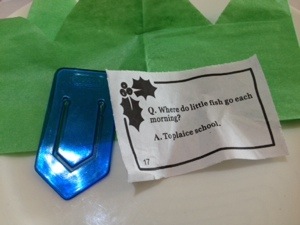
Got this in my Christmas Bon bon.
All about Fish Vetting – Dr Richmond Loh
Got this in my Christmas Bon bon.
We are requesting your help, for one of our Goldfish who is about 15 cms in length, and many yrs old, we have been treating it for cotton wool like growths, with Tri-Sulpha, cleaning the tank adding a heater, and have used 3 bottles in our 120L tank, over the last 6 months, to no avail. As this service runs for the terminally ill, till their passing, the fish give our patients great joy and peace to look at, and are wondering if you were able to help this fish, and effectively our service…
Follow me on: Facebook “Fin Page” – YouTube – Blog – Linkedin – Twitter
—
Yours sincerely,
Dr Richmond Loh DipProjMgt, BSc, BVMS, MPhil (Pathology) Murdoch, MANZCVS (Aquatics & Pathobiology), CertAqV.
Aquatic Veterinarian | Adjunct Lecturer Murdoch University | President-elect WAVMA |
Secretary Aquatic Animal Health Chapter – ANZCVS.
The Fish Vet, Perth, Western Australia, AUSTRALIA. Mobile Veterinary Medical & Diagnostic Services for fish and other aquatic creatures.
http://www.thefishvet.com.au
Ph: +61 (0)421 822 383
Skype: thefishvet
Looking for more books? Check out this site.

This is an oldie, but a goodie I found when I was doing some electronic filing. I gave my client some homework to do and this is an email report from my client on the progress of the treatment against Cyanobacteria in his fish tank. Enjoy!
R<><
Hi Dr Loh,
Below are some photo’s of before, during and after treatment for the blue green algae.


I started treatment of the tank at around 5pm on Friday. Ammonia and nitrite were 0ppm, nitrate was 5ppm and phosphate 0.25ppm
Naturally, the tank went a little cloudy when the medication was put into the system but then cleared shortly after. In addition to the treatment, I also placed a pad of zeolite into the tanks trickle filter to absorb and ammonia. No adverse reaction was observed in fish. In fact, some fish enjoyed eating what little pieces of erythromycin that had not been fully dissolved!
After a short while, it could be seen the Cyanobacteria was reacting to the erythromycin. It showed up in areas on the glass and on the large thick clumps of cyanobacteria. It began to ‘pull-apart’. It was no longer a smooth appearing surface. This can be seen in the photos below.


The cloudiness of the water then started to increase in the first 2 hours. Twenty-four hours later, I did a water change as per your instructions. As part of this change, I also ensured the gravel had a good clean and removed some plants. The gravel cleaning was successful in getting most of the dead or dying cyanobacteria. What was not removed by siphoning, was removed by hand.
After this change, a test of the water quality was performed. Ammonia and nitrate measured 0ppm. Nitrate at less than 5ppm and phosphate was measured to be 0.50ppm. I added 5ppm of KNO3 to increase the Nitrate to between 5 and 10ppm for the aquarium plants. Below are pictures of the same areas taken after the treatment and clean.
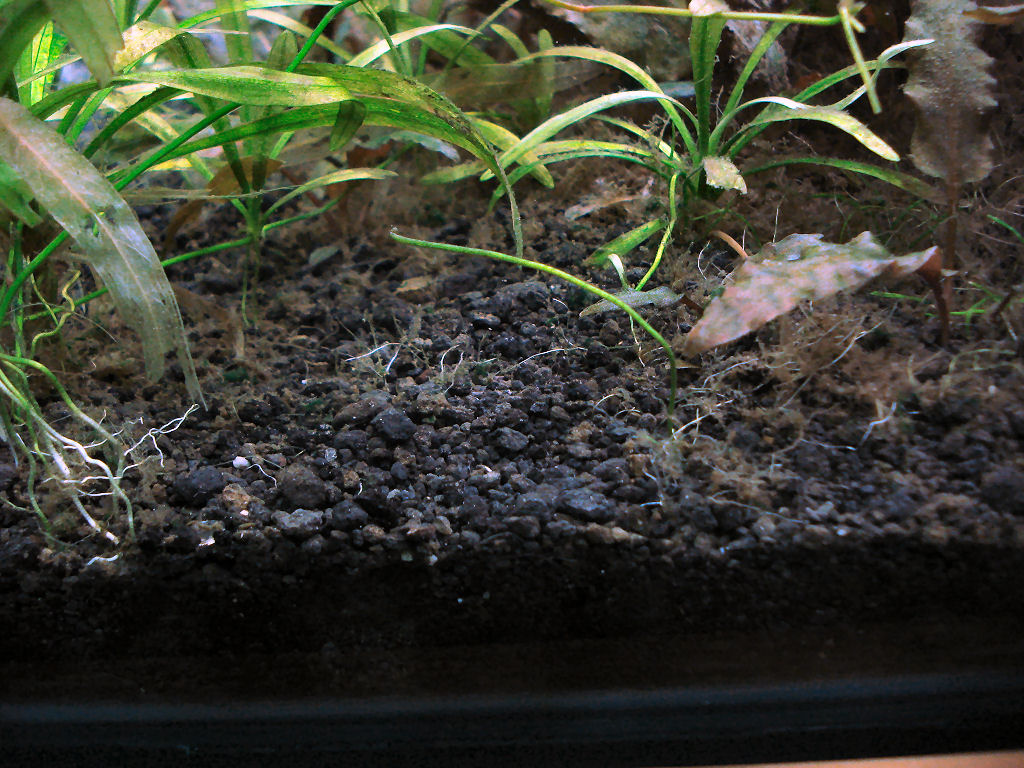
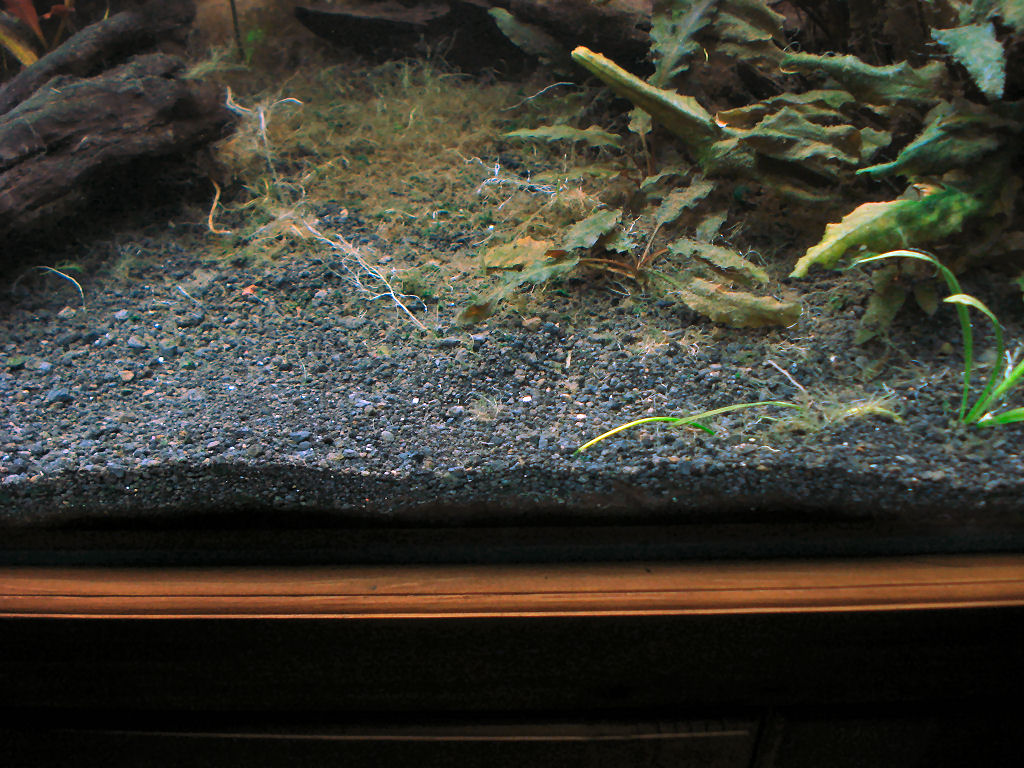
All fish are doing great and never showed any signs of stress or discomfort apart from the large water change, but they are all happy again.
Career Girls – Why Aquatic Animal Medicine?
Veterinarian, Dr Alice Bugman explains…
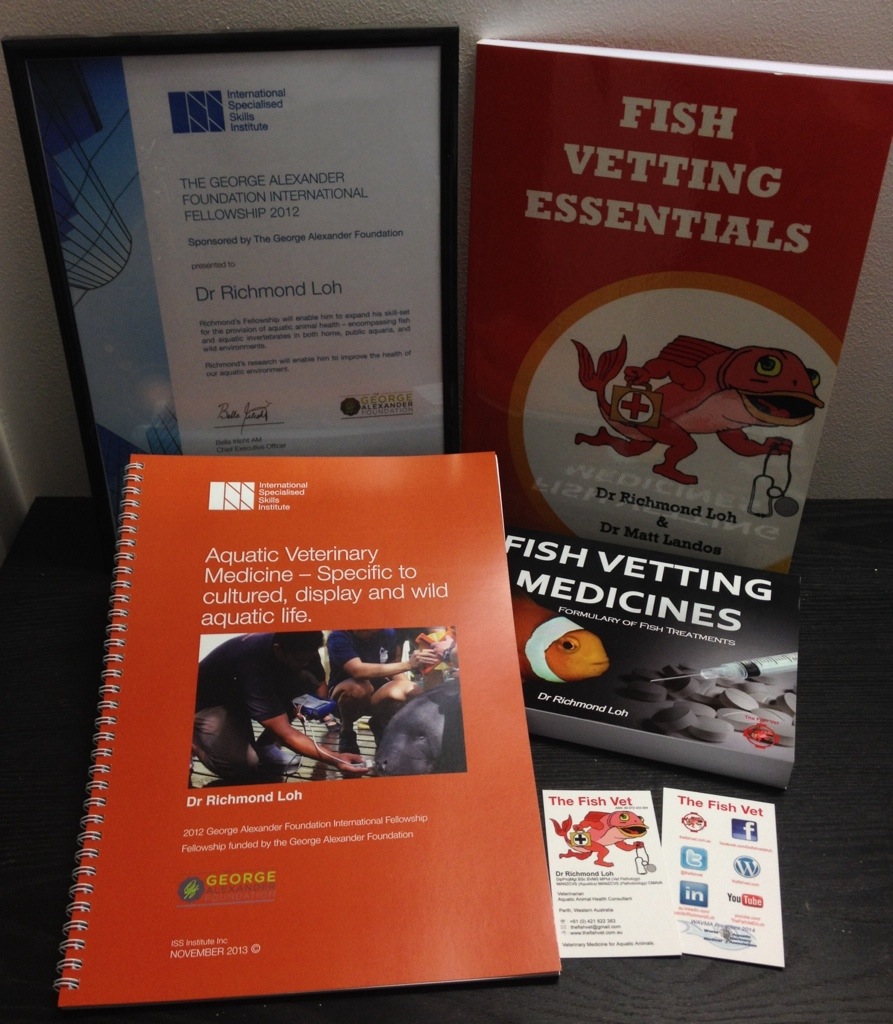
A complimentary copy of the book, “Aquatic Veterinary Medicine – Specific to Cultured, Display and Wild Aquatic Life” will be sent, when you order a copy of “Fish Vetting Essentials” and “Fish Vetting Medicines” this month.
A fantastic Christmas present for all fish fanciers!
Place your order now at – http://thefishvet.com.au
NB: The two books must be purchased in the same transaction.
Q: What do you call a fish that looks like a turd?
A: A scat!
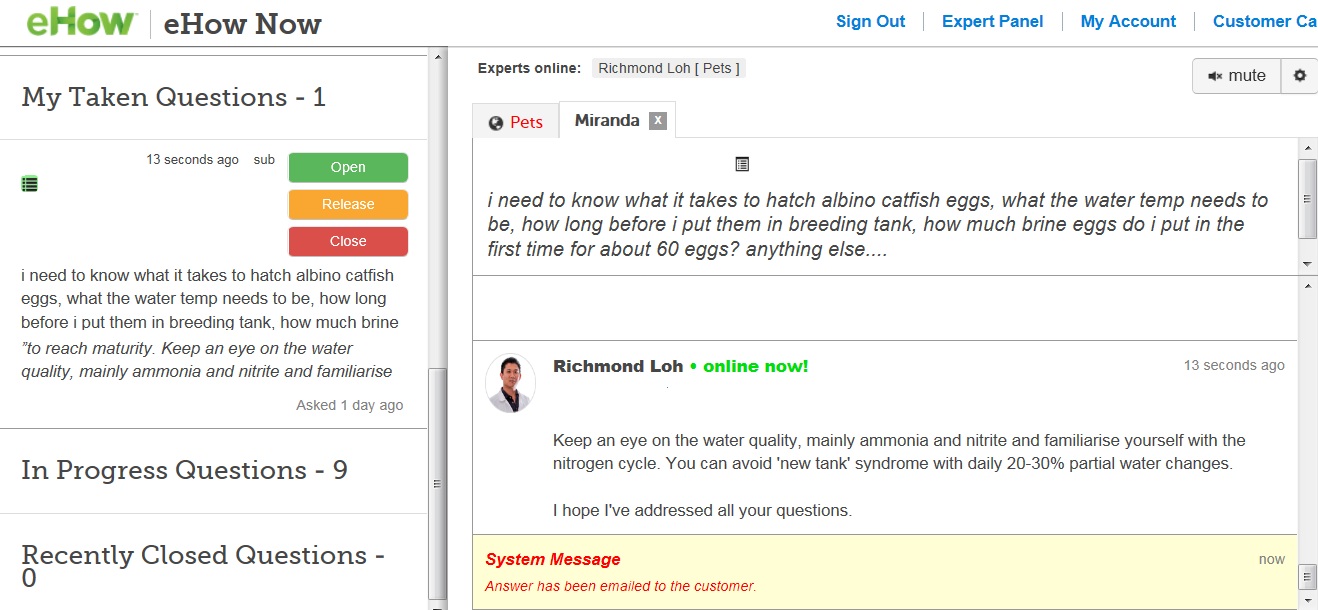
Now, no matter where you are in the world, or what time zone you’re in, you can ask Dr Loh anything relating to aquatic animal health.
Just follow this link to submit your question: https://now.ehow.com/
—
Yours sincerely,
Dr Richmond Loh DipProjMgt, BSc, BVMS, MPhil (Pathology) Murdoch, MANZCVS (Aquatics & Pathobiology), CertAqV.
Aquatic Veterinarian | Adjunct Lecturer Murdoch University | President-elect WAVMA |
Secretary Aquatic Animal Health Chapter – ANZCVS.
The Fish Vet, Perth, Western Australia, AUSTRALIA. Mobile Veterinary Medical & Diagnostic Services for fish and other aquatic creatures.
http://www.thefishvet.com.au
Ph: +61 (0)421 822 383
Skype: thefishvet
See below FYI.
From: “Dr. David Scarfe”
Date: 23 November 2013 7:03:48 AWST
Subject: AquaVetMed e-News: Answers to 10 common Aquaculture Myths
November 22, 2013
10 Myths about Aquaculture
As part of “Seafood Month”, and in response to a large number of rumors circulating on social media and some websites, the U.S. National Oceanic and Atmospheric Administration (NOAA) decided to tackle some of the most commonly expressed myths surrounding aquaculture, including:
1. Farmed fish and shellfish doesn’t taste as good.
2. Farmed salmon are full of sea lice.
3. Aquaculture causes diseases in wild fish.
4. Fish waste from net pen aquaculture harms the ecosystem.
5. Farmed fish are full of harmful antibiotics.
6. Farmed salmon is full of harmful “color-added” dyes.
7. Farmed fish are contaminated.
8. Farmed fish isn’t safe to eat.
9. Aquaculture uses more wild fish than it produces.
10. The U.S. doesn’t need aquaculture.
To see how these myths have been addressed, go to http://tinyurl.com/n8pqjn8.
___________________________
AquaVetMed e-News provides information to veterinary and veterinary-allied subscribers concerning aquatic animal medicine, health, welfare, public health and seafood safety, obtained from a variety of sources (largely AquaVetMed subscribers). While provided by the American Veterinary Medical Association’s, Aquatic Veterinary Medicine Committee and are for public distribution, they do not necessarily reflect the opinion of the AVMA or the veterinary profession. See the AVMA Terms of Use (http://tinyurl.com/29h2rf) for further information.
If e-News information is used elsewhere please acknowledge AquaVetMed as the source. Encourage individuals to subscribe rather than distribute through list serves.
Messages may contain attachments that will have been scanned for known viruses.
Subscription and Contributions: Interested veterinarians and veterinary-allied professionals can subscribe, unsubscribe, or contribute pertinent news or information, by sending a message with “For AquaVetMed -” and the topic in the subject line, to dscarfe@avma.org.
Note: Undelivered e-mails will not be resent; Subscribers will be deleted from the list after repeated undelivered or bounced messages and will have to re-subscribe.
Visit our website: http://www.avma.org
________________________________
I received this through my email and thought I’d share it with you.
Begin forwarded message:
From: “Dr. David Scarfe”
Date: 9 October 2013 0:05:38 AWST
Subject: AquaVetMed e-News: Slaughter Methods & Fish Welfare
October 8, 2013
How Does Slaughter Affect Fish Welfare?
Hannah Chilvers, writing for TheFishSite.com (http://www.thefishsite.com/articles/1751/how-does-slaughter-affect-fish-welfare), discusses different slaughter techniques and their impact on fish welfare.
The sustainability of fisheries and aquaculture is becoming a much talked about issue, but how often do we think about how fish is slaughtered? The methods behind aquaculture slaughter and the issues of welfare associated with them are set to become the next big thing in the world of fishing and aquaculture. A number of charities are also becoming increasingly concerned with the impacts that such techniques can have on animal welfare and are releasing a series of recommendations in an attempt to address them.
Slaughter Methods
The methods of slaughter traditionally used in aquaculture can largely be divided into two main types; those causing the immediate loss of sensibility, and those that achieve this in a slower way. The first of these two methods is preferred in terms of both animal welfare and meat quality.
Of those methods that cause the slow loss of sensitivity, the most commonly used techniques include:
• asphyxiation – both in air and ice
• decapitation (eels)
• electrical immobilisation
• the use of salt or ammonia baths (eels)
• carbon dioxide narcosis
• the process of exsanguination, or blood loss
• evisceration of live fish
For all the above mentioned techniques, recent guidelines on aquatic animal treatment by the World Organisation for Animal Health (2011) stated that they result in poor fish welfare.
The decapitation of fish, for example, commonly used in the treatment of eels, is known to take between 13-30 minutes to cause the loss of brain function, whilst the evisceration of live fish is thought to take even longer, with death occurring between 20-40 minutes, depending on the species. The use of electrical immobilisation is also thought to be just as inhumane. The treatment is known to cause paralysis, pain and exhaustion of animals. The process of blood loss is similarly considered cruel. Death by carbon dioxide application is also thought to be very aversive. A number of species, including carp, trout, eels and salmon, are known to make vigorous attempts to escape during the process. So much so, the use of carbon dioxide to stun fish has consequently been banned in Norway since 2008. In a comparative situation, the use of salt or ammonia baths is also thought to be similarly punishing. Once commonly used, the technique has now been banned in Germany.
Methods causing the immediate loss of sensibility in contrast are much more preferred for their increased humanity and animal treatment. For that reason, they are now the recommended practices of all fish welfare groups. The most ethical of those techniques is the process of electrical stunning. For this method, an adequate current passes through the water causing death almost automatically – this is a distinct contrast to the often drawn-out and painful techniques highlighted above. The process of percussive stunning is also favoured as a manual or automatic blow to the skull causing death instantaneously and with, generally, the fish only being out of the water for around 10 seconds, substantially reducing stress and fear.
For the slaughtering of larger fish like tuna or salmon, the process of spiking or shooting can also be used; again both techniques are greatly preferred in terms of welfare recommendations as they give instant death if done properly.
Meat Quality
The type of slaughtering method not only affects welfare, it also impacts the quality of the flesh. A number of recent reports have found fish meat quality and taste to be noticeably reduced when animals are stressed prior to and during death, making the meat less appealing to the consumer.
___________________________
AquaVetMed e-News provides information to veterinary and veterinary-allied subscribers concerning aquatic animal medicine, health, welfare, public health and seafood safety, obtained from a variety of sources (largely AquaVetMed subscribers). While provided by the American Veterinary Medical Association’s, Aquatic Veterinary Medicine Committee and are for public distribution, they do not necessarily reflect the opinion of the AVMA or the veterinary profession. See the AVMA Terms of Use (http://tinyurl.com/29h2rf) for further information.
If e-News information is used elsewhere please acknowledge AquaVetMed as the source. Encourage individuals to subscribe rather than distribute through list serves.
Messages may contain attachments that will have been scanned for known viruses.
Subscription and Contributions: Interested veterinarians and veterinary-allied professionals can subscribe, unsubscribe, or contribute pertinent news or information, by sending a message with “For AquaVetMed -” and the topic in the subject line, to dscarfe@avma.org.
Note: Undelivered e-mails will not be resent; Subscribers will be deleted from the list after repeated undelivered or bounced messages and will have to re-subscribe.
Visit our website: http://www.avma.org
________________________________
Inaccuracies in the book review published in the AVJ.
See PDF document below.
fish vetting essentials review.pdf
—
Yours sincerely,
Dr Richmond Loh
DipProjMgt, BSc, BVMS, MPhil (Pathology) Murdoch, MANZCVS (Aquatics& Pathobiology), CertAqV WAVMA.
The Fish Vet, Perth, Western Australia.
Veterinary Medicine for fish.
W: http://www.thefishvet.com.au
E: thefishvet
P: +61 (0)421 822 383