Be careful what you eat! see below:
PARALYTIC SHELLFISH POISONING – AUSTRALIA: (WESTERN AUSTRALIA) ALERT
********************************************************************
A ProMED-mail post
ProMED-mail is a program of the
International Society for Infectious Diseases <http://www.isid.org>
Date: Wed 18 Sep 2013
Source: In My Community, Mandurah Coastal Times report [edited] <http://www.inmycommunity.com.au/news-and-views/local-news/High-algae-levels-prompt-estuary-shellfish-warning/7650575/>
High levels of potentially toxic microscopic algae have been recorded in shellfish in South Yunderup [Western Australia] in recent testing.
The Shire of Murray is urging residents and visitors to avoid eating all wild shellfish from the Peel-Harvey Estuary.
Filter feeding shellfish absorb the algae, which are capable of producing toxins.
*****Cooking cannot destroy the toxins and the shellfish could cause poisoning if consumed.
Symptoms of shellfish poisoning include nausea, cramping, vomiting, and diarrhoea.
“The Shire continues to work closely with the Department of Water and Health to monitor algae levels in the estuary,” chief executive Dean Unsworth said.
Anyone who has consumed shellfish from these waters and experiences poisoning symptoms should seek medical attention.
Wild shellfish from inland water sources should not be eaten, as water quality and safe consumption can not be guaranteed. These species include oysters, mussels, clams, pipis, scallops, cockles, and razor clams.
Shellfish purchased in supermarkets are not affected as these products must adhere to food quality assurance programs to ensure they are safe for consumption.
For more information contact the Shire of Murray on 9531 7777 or visit the Department of Health website for further details regarding wild shellfish collection.
[Byline: Rachel Fenner]
—
Communicated by:
ProMED-mail from HealthMap Alerts
[Paralytic shellfish poisoning (PSP) is a public health risk worldwide, resulting from the consumption of seafood that has bioaccumulated toxins produced by microalgae. Bivalve shellfish (such as mussels, clams, oysters, and scallops) pose a particularly high risk as they feed by filtration, providing a method of toxin accumulation. Algae responsible for causing PSP include several species of the genus _Alexandrium_, _Pyrodinium bahamense_ and _Gymnodinium catenatum_. Paralytic shellfish toxins (PST) have been recorded in shellfish from Victoria, South Australia, New South Wales, and Tasmania.
PSP is often caused by several closely related species in the genus _Alexandrium_. PSP toxins are responsible for persistent problems due to their accumulation in filter feeding shellfish, but they also move through the food chain, affecting zooplankton, fish larvae, adult fish, and even birds and marine mammals.
It is likely that seasonally recurring outbreaks of PSP are linked to the existence of a dormant cyst stage in the _Alexandrium_ life history. This strategy allows the species to deposit dormant cells in sediments where they survive through harsh winter conditions and then germinate to initiate new outbreaks in subsequent years. Long-term climatic variability, which affects temperature, upwelling, and currents, or allows cysts to survive in areas where they did not before, may be factors in extensions.
Shellfish that have caused this disease include mussels, cockles, clams, scallops, oysters, crabs, and lobsters. Symptoms begin anywhere from 15 minutes to 10 hours after eating the contaminated shellfish, although usually within 2 hours. Symptoms are generally mild, and begin with numbness or tingling of the face, arms, and legs. This is followed by headache, dizziness, nausea, and muscular incoordination.
Patients sometimes describe a floating sensation. In cases of severe poisoning, muscle paralysis and respiratory failure occur, and in these cases death may occur in 2 to 25 hours.
Reference
———
Food and Agriculture Organization of the United Nations. Marine Biotoxins. Food and Nutrition Paper 80; 2004.
Portions of this comment have been extracted from <http://aquaticpath.umd.edu/toxalg/psp.html> and from <https://www.health.gov.au/internet/main/Publishing.nsf/Content/cdi3701e>.
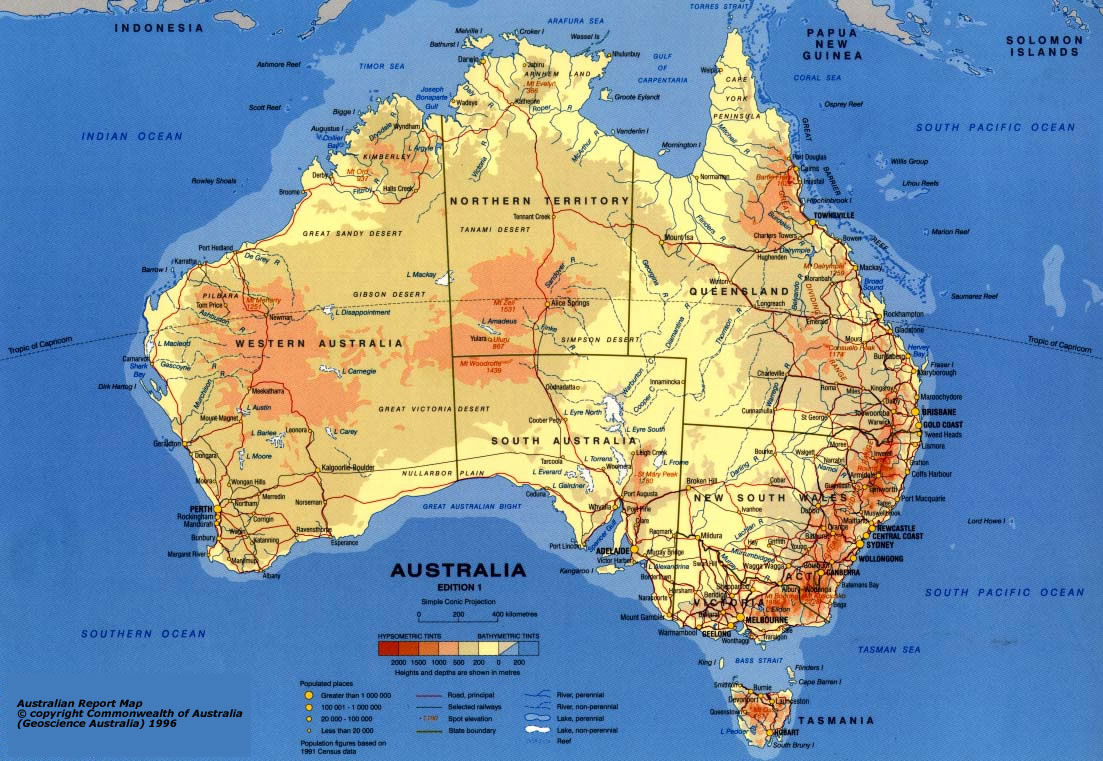
Maps of Australia can be seen at
<http://www.ga.gov.au/image_cache/GA4073.jpg> and <http://healthmap.org/r/8txX>. Peel-Harvey Estuary is located 80 km
(49.7 mi) south of Perth in Western Australia. – Mod.TG
Photos of pipis (_Paphies australis_): <http://tinyurl.com/oo2eoyv>. – Mod.JW]